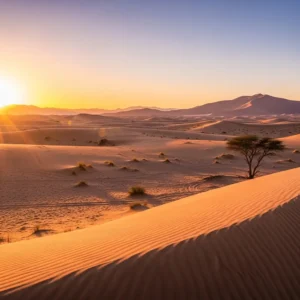

School Groups Safari 10 Educational Reasons to Book Dubai Desert Trips
Dubai is a global center for innovation and forward-thinking education.
While the city’s classrooms are high-tech, the greatest lessons are often found outdoors.
A School Groups Safari is more than just a day of fun in the sun.
It is a multi-disciplinary field trip that covers biology, history, geography, and social studies.
The desert is a living laboratory where students can touch the history of the UAE.
They can see the flora and fauna they have only read about in textbooks.
However, organizing a trip for children requires extreme precision and care.
Safety protocols must be significantly higher than standard tourist packages.
The curriculum must be engaging and age-appropriate for the students.
In this massive 4500-word guide, we will analyze why the desert is the best classroom.
We will discuss the logistical needs of large educational groups.
We will show you why booking with https://htdesertsafari.com/ is the smart choice for schools.
Let us explore how the golden dunes can shape the minds of the next generation.
1. The Historical Classroom: Bedouin Heritage
The first reason to book a School Groups Safari is the deep historical context.
Students in the UAE learn about the transition from nomadic life to a global metropolis.
In the desert, they don’t just hear the story; they see the setting.
They visit authentic recreations of Bedouin camps.
They see how people lived without electricity or running water.
They learn about the “Bait Al Sha’ar”—the traditional goat-hair tents.
Guides from https://royaldesertadventures.ae/ explain the social structure of the tribes.
Students learn about the values of “Sabr” (patience) and hospitality.
It humanizes history and makes it tangible for young learners.
This connection to roots is vital for developing a sense of national identity.
2. Biological Wonders: Desert Ecology
The desert ecosystem is a masterpiece of evolutionary adaptation.
A School Groups Safari focuses heavily on how life survives in extremes.
Students observe the Ghaf tree, which can find water 30 meters underground.
They learn about the “Desert Squash” and how it provides moisture to gazelles.
Specialized nature guides show them the tracks of the Arabian Oryx.
They discuss the importance of biodiversity and why certain species are protected.
Instead of looking at a diagram of a food chain, they see it in action.
They see the beetles that clean the sand and the falcons that rule the sky.
This hands-on science lesson stays with students far longer than a lecture.
It fosters a deep respect for the environment and its fragile balance.
3. Geographical Insights: Dune Formation
Geography comes to life when you are standing on a 50-meter sand ridge.
School Groups Safari programs include lessons on wind patterns and erosion.
Students learn about the different types of sand found across the Emirates.
They see the red sands of Al Lahbab and learn why the color is so vibrant.
They observe how the “Shamal” winds reshape the horizon every day.
The concept of desertification and land management is explained by experts.
This physical interaction with the terrain makes abstract concepts clear.
They can feel the difference between the cool morning sand and the hot surface.
They learn about the “Sabkha” salt flats and their geological significance.
It turns the UAE’s landscape into a giant, interactive textbook.
4. The Art of Falconry and Heritage Sports
Culture is best learned through participation and observation.
On a School Groups Safari, students witness the ancient bond between man and bird.
Professional falconers explain the history of hunting for survival.
They learn about the different breeds of falcons and their specific roles.
They see the tools used, such as the hood and the leather glove.
This is a lesson in patience, discipline, and animal husbandry.
It shows them a side of the UAE that exists far away from the shopping malls.
Many programs also include traditional camel riding.
Students learn about the “Ship of the Desert” and its biological efficiency.
It is a celebration of the skills that made life in Arabia possible.
5. Safety Protocols for Young Explorers
Safety is the non-negotiable foundation of any School Groups Safari.
Organizing a trip for 50 or 100 students requires military-style logistics.
Reputable companies like https://htdesertsafari.com/ use highly trained drivers.
These drivers are vetted for their patience and experience with children.
Safety Standards Include:
-
Mandatory seatbelt checks for every student.
-
Reduced speed during the dune drive (Soft Bashing).
-
High ratio of staff to students at the camp.
-
On-site first aid kits and emergency communication.
-
Strict hygiene standards for the BBQ lunch or dinner.
Teachers and parents need the peace of mind that their children are protected.
Professional operators prioritize the well-being of the group over the thrill.
This makes the trip an inclusive experience for even the most anxious students.
6. Team Building and Social Development
The desert is a vast space that encourages communication and teamwork.
Many School Groups Safari itineraries include specialized group games.
Students participate in sandboarding competitions and tug-of-war.
They work together to set up traditional majlis seating.
These activities build leadership skills and foster new friendships.
Away from their desks and screens, students engage in real social play.
The communal dining experience at the camp teaches etiquette and respect.
They share traditional meals and learn about Arabian hospitality.
This social development is a key byproduct of the desert excursion.
It creates memories that unify the class and build school spirit.
7. Sustainable Tourism and Eco-Awareness
Teaching children about the environment is the most important lesson of today.
A School Groups Safari is a platform for teaching sustainability.
Guides emphasize the “Leave No Trace” policy in the dunes.
Students are taught to collect their trash and respect animal habitats.
They learn about the water-saving techniques used in the camps.
Operators like https://dubaidesertsafarie.com/ show them how solar power is used.
They see how tourism can fund conservation programs for the Oryx.
It turns them into “Eco-Ambassadors” who take these values back home.
Protecting the desert is a collective responsibility they start to feel.
It is an investment in the future health of the planet.
8. Logistical Ease for Teachers
Organizing a school trip can be a bureaucratic nightmare for teachers.
A professional School Groups Safari provider handles the heavy lifting.
They coordinate the bus pickups from the school gates.
They provide all the necessary risk assessment paperwork.
They manage the dietary requirements of every student (Vegetarian, Halal, Allergies).
The program is pre-planned and timed to fit into the school day.
Teachers can focus on the educational aspects rather than the logistics.
Having a dedicated group coordinator from https://htdesertsafari.com/ makes the process seamless.
It allows the staff to enjoy the trip alongside their students.
Efficiency and reliability are the hallmarks of a good group operator.
9. Creative Inspiration: Art and Photography
The desert is a visually stunning environment for creative subjects.
Art students on a School Groups Safari can practice sketching the dunes.
They can study the patterns in the sand and the light of the sunset.
Photography students learn how to manage the bright desert glare.
They capture silhouettes of camels and the textures of the Ghaf leaves.
The desert provides a “Blank Canvas” that sparks the imagination.
Many schools use the trip as a basis for follow-up art projects.
It is an environment that encourages observational skills and creativity.
The silence of the dunes provides a space for focused artistic work.
It is a refreshing change from the noisy, busy city life.
10. Cultural Etiquette and Global Citizenship
Dubai is a melting pot of cultures. Students are often from all over the world.
A School Groups Safari teaches them local etiquette and customs.
They learn how to accept coffee with the right hand.
They learn about the significance of the “Kandura” and “Abaya.”
They understand the importance of the call to prayer heard from the distance.
This cultural immersion builds empathy and global understanding.
It makes them feel more connected to the host country of the UAE.
Learning to respect a different way of life is a vital skill for future leaders.
The desert camp is a safe space for this cross-cultural exchange.
It is a celebration of diversity and shared human history.
11. Customizing the Curriculum
Not all school groups are looking for the same thing.
A School Groups Safari can be tailored to the specific age and subject.
Primary Schools: Focus on animals, sand play, and simple stories.
Middle Schools: Focus on geography, dune formation, and falconry.
High Schools: Focus on sustainability, ecology, and heritage history.
You can request more “Study Time” or more “Adventure Time.”
Operators like https://htdesertsafari.com/ work with teachers to align the day.
This ensures that the trip meets the learning objectives of the school.
It is a bespoke educational product, not a generic tour.
Flexibility is key to making the trip a success for every grade level.
12. Nutrition and Energy for Active Minds
Students need energy for a day of exploring and climbing dunes.
The food provided on a School Groups Safari is healthy and hearty.
Fresh salads, grilled proteins, and plenty of carbohydrates like rice and bread.
We ensure that the spice levels are moderate for young palates.
Water and juices are provided in unlimited quantities to prevent dehydration.
Special care is taken for students with severe nut or gluten allergies.
The “Buffet Style” dining encourages students to try new local flavors.
It is a culinary adventure that complements the cultural one.
Hygiene is strictly monitored to ensure no student gets sick.
Proper fueling is essential for maintaining focus and behavior throughout the day.
13. The Impact of “Soft Bashing”
While adults love high-intensity dune bashing, it is often too rough for kids.
A School Groups Safari uses the “Soft Bashing” technique.
The cars move at a controlled pace through the dunes.
It provides the thrill of the “Rollercoaster” without the risk of neck strain.
The drivers focus on the “Flow” of the sand rather than the “Impact.”
Students still get the excitement but in a safe and managed way.
It prevents motion sickness, which can ruin a trip for a whole car.
This professional approach to driving is what separates top operators.
Trust the marshals at https://royaldesertadventures.ae/ for these gentle drives.
14. Reflection and Mindfulness
The desert offers a rare opportunity for silence and reflection.
Many School Groups Safari programs include a “Quiet Moment.”
Students sit on a dune and listen to the environment for 10 minutes.
It is a lesson in mindfulness that is increasingly popular in modern schools.
They notice the sound of the wind and the absence of city noise.
It helps reduce anxiety and provides a mental reset.
In our fast-paced digital world, this stillness is a gift.
It allows students to process what they have learned during the day.
It creates a spiritual connection to the natural world.
This emotional impact is often what students remember most years later.
15. The Role of the Storyteller
The guide on a student trip is a storyteller and a teacher.
In a School Groups Safari, the narration is constant.
They tell legends of the “Jinn” that live in the dunes.
They explain how Bedouins found their way using the stars.
They tell the history of the ruling families and the “Pearl Diving” era.
This keeps the students engaged during the transit periods.
The stories are educational and entertaining, making the facts stick.
A good guide can handle questions from 20 curious 10-year-olds!
The human element of the guide is the heart of the educational value.
They are ambassadors for the UAE’s culture and future.
16. Comparing Excursion Types
| Activity | Educational Value | Fun Factor | Grade Level |
| Wildlife Tracking | High (Biology) | Medium | All |
| Dune Bashing | Low (Physics) | High | Middle/High |
| Heritage Camp | High (History) | High | All |
| Sandboarding | Medium (Coordination) | High | All |
| Falconry | High (Cultural) | High | All |
Choose the activities that match your class’s specific learning goals.
A mix of adventure and education is the best recipe for success.
17. Why Morning Safaris are Best for Schools
For most educational groups, the morning safari is the logical choice.
It fits perfectly within school hours (8:30 AM to 1:30 PM).
Students are fresh and ready to learn.
The heat is less intense in the morning than in the late afternoon.
It avoids the late-night return, which can be difficult for younger children.
They get the full desert experience and are back for the school bus home.
It is a compact, high-impact version of the tour.
Morning light is also superior for viewing wildlife tracks.
Check the school booking slots at https://htdesertsafari.com/.
18. Supporting the Local Community
By booking a School Groups Safari, the school supports the local economy.
The fees pay for the maintenance of heritage sites and animal care.
It employs local guides and traditional artisans.
It teaches students the value of supporting the community they live in.
This social responsibility is an important lesson in citizenship.
The desert tourism industry is a major part of Dubai’s economy.
Contributing to its health ensures these cultural resources remain available.
It is a virtuous cycle of education and economic support.
19. Summary Checklist for Teachers
-
Verify the operator’s safety certification and insurance.
-
Confirm the ratio of staff to students.
-
Check the menu for dietary requirements and hydration.
-
Ensure the curriculum matches the age of the class.
-
Coordinate the bus logistics for a timely pickup.
-
Inform parents about the dress code (Sneakers and Hats).
Being prepared ensures a stress-free day for the staff.
The desert is a friendly place when the planning is thorough.
20. Conclusion
The desert is the soul of the UAE, and it is the ultimate classroom.
A School Groups Safari is an investment in a student’s cultural and scientific IQ.
It provides lessons that no whiteboard can replicate.
From the resilience of the Ghaf tree to the hospitality of the Bedouin.
From the physics of the dunes to the biology of the Oryx.
Don’t just teach the history of the UAE; let your students live it.
Book an educational adventure that will change their perspective forever.
Visit https://htdesertsafari.com/ to plan your next school excursion.
The dunes are waiting to teach their secrets.
FAQs: Desert Safari Experiences for School Groups
1. How do you ensure the safety of students during the dune bashing?
Safety is our absolute priority for every School Groups Safari. For student groups, we use “Soft Bashing” techniques. This means our drivers avoid high-risk maneuvers and maintain a lower, more controlled speed. All vehicles are fitted with roll cages, and seatbelts are strictly enforced. We also ensure that students with a history of motion sickness are seated in the front row or in a “Direct to Camp” vehicle that avoids the bumps entirely. Professional operators like https://htdesertsafari.com/ use drivers specifically trained for educational groups.
2. What is the ideal age for a school desert safari?
We cater to all ages, but the program changes based on the grade level. Primary students (ages 6-10) enjoy the wildlife, sandboarding, and camel rides. Middle and High school students (ages 11-18) engage more with the ecological science, historical narratives, and geography of the dunes. We recommend that children under 5 only participate in private family tours or “Nature Drives” that skip the intense bumping of the dunes.
3. Are there educational guides who can speak about the desert ecosystem?
Yes, for a School Groups Safari, we assign guides who have specialized training in the desert’s flora, fauna, and geology. They act as “Outdoor Teachers,” explaining the survival mechanisms of the Arabian Oryx and the significance of the Ghaf tree. These guides are prepared to answer technical questions and provide a deeper level of information than a standard tourist guide. They turn a fun ride into a meaningful science lesson.
4. How do you manage food allergies and dietary requirements for large groups?
We are very experienced in managing diverse dietary needs. When a school makes a booking, we provide a form to list all allergies (nuts, gluten, dairy) and preferences (Vegetarian, Vegan, Halal). All food is prepared in a certified hygienic kitchen. We ensure clear labeling at the buffet and provide separate meals for students with severe allergies to prevent cross-contamination. Hydration is also key; we provide unlimited bottled water and juices throughout the trip.
5. What is the typical duration of a school trip to the desert?
Most schools prefer a “Morning Safari” which fits within the standard school day. The typical schedule is a 8:30 AM pickup from the school gates and a 1:30 PM drop-off. This allows for 2 hours of travel and 3 hours of desert activity. If a school wants the full “Sunset Experience,” the trip can start at 3:00 PM and end by 9:00 PM, though this is usually reserved for older students or boarding schools.
6. Do teachers and supervisors need to pay for the trip?
Many operators, including https://royaldesertadventures.ae/, offer a “Teacher Goes Free” policy for large groups. Usually, one supervisor is free for every 10 or 15 students. This ensures that the school can maintain the required supervision ratios without increasing the cost for the parents. We value the role of the educators and want them to be fully supported during the excursion.
7. Can we customize the safari to match our current school curriculum?
Absolutely. This is the biggest advantage of a School Groups Safari. If your class is currently studying “Environmental Science,” we will focus the day on conservation and ecology. If you are studying “Middle Eastern History,” we will prioritize the Bedouin heritage and nomadic life stories. We encourage teachers to share their learning objectives with us at least two weeks before the trip so we can tailor the guide’s narration and the activities accordingly.
8. What should students wear and bring?
Comfort and protection are essential. Students should wear loose, breathable cotton clothing. Long trousers are better than shorts to protect against the sun and sand. Closed-toe sneakers or hiking boots are mandatory; flip-flops are not allowed as the sand can be hot and uneven. Every student must bring a hat and have sunscreen applied before the trip. We also recommend a small backpack for their personal belongings and a light jacket for the winter months.
9. Is there a restroom facility in the desert for the students?
Yes. All the camps used by https://htdesertsafari.com/ have permanent, clean, and modern restroom facilities with running water and soap. We ensure that students have a scheduled bathroom break immediately upon arrival at the camp and before the return journey. For the travel period between the city and the dunes, we use high-quality petrol stations with clean facilities for any emergency stops.
10. What happens if a student feels unwell during the trip?
All our vehicles are equipped with first aid kits, and our drivers are trained in basic first aid and heatstroke prevention. If a student feels motion sickness or heat exhaustion, they are immediately moved to a shaded or air-conditioned area and given water and electrolytes. We maintain constant radio and mobile contact with our central operations base and can arrange for an emergency vehicle to transport a student back to the city if necessary.
11. Is insurance included in the booking?
Yes, all our vehicles are fully insured for passengers, including school groups. We carry public liability insurance as part of our licensing with the Dubai Department of Economy and Tourism. We are happy to provide copies of our insurance certificates and risk assessment documents to the school’s administration during the booking process. Safety and compliance are our highest priorities.
12. Can we include a team-building workshop in the desert?
Yes, the desert is a fantastic place for team building. We can organize sand-based games like tug-of-war, dune relay races, or “build a shelter” challenges. These activities are designed to foster communication, leadership, and group cohesion. They are a popular add-on for secondary school groups looking to improve the social dynamics of their class.
13. Do you provide educational materials or worksheets?
We can provide “Desert Discovery” worksheets upon request. These include quizzes about the animals and plants they will see, as well as a section for sketching the dunes. These materials help keep the students focused and provide a record of their learning that they can use for follow-up classroom discussions. Many teachers find these a helpful tool for keeping the trip structured.
14. What is the maximum group size you can accommodate?
We have a large fleet of Land Cruisers and coaches, allowing us to accommodate groups of up to 500 students at once. However, to maintain the educational quality and safety, we divide the students into smaller clusters, each with its own guide. Large groups are managed with a dedicated project coordinator to ensure that everything from the bus parking to the lunch service runs smoothly.
15. Is sandboarding safe for all students?
Sandboarding is very safe as long as the students follow the guide’s instructions. It is done on a soft sand slope where a fall is harmless. We provide helmets for younger students if requested, though they are not standard as the speeds are low. Guides monitor the students to ensure they are not overexerting themselves while climbing back up the dune, which is the most tiring part of the activity.
16. Why is the morning safari better than the evening one for primary schools?
Morning safaris are cooler and fit within the student’s natural peak energy levels. It avoids the fatigue that comes with a late-night return and allows the children to stay in their established routine. It also avoids the louder music and fire shows of the evening camp, which can sometimes be overwhelming for very young children. The morning is a time of calm and clear observation, perfect for learning.
17. Do students get to interact with the falcons?
Yes, during the falconry demonstration, students can get up close to the birds. The falconer explains how to handle them and often allows students to take a photo with the bird perched on their gloved arm. It is an incredible sensory experience that creates a lasting emotional connection to the heritage of the UAE. Safety is strictly managed by the professional handler.
18. How far is the desert from most schools in Dubai?
Depending on the school’s location, the drive to the Al Aweer or Al Lahbab desert typically takes between 45 to 60 minutes. We plan the pickup times to avoid the worst of the school-run traffic, ensuring that the students spend the maximum amount of time in the dunes rather than on the highway. Punctuality is one of our core strengths when dealing with school schedules.
19. What is “Soft Bashing” exactly?
“Soft Bashing” is a modified version of dune bashing designed for groups that need more comfort and safety. The driver uses lower gear and smoother angles when crossing the dunes. This prevents the high-G forces and sharp drops of a standard safari. It gives the students the feeling of “Gliding” over the sand waves. It is thrilling enough to be fun but gentle enough to be safe for everyone.
20. Why should our school choose HT Desert Safari over other operators?
https://htdesertsafari.com/ is recognized for its excellence in group logistics and educational content. We don’t treat school trips as “just another tour.” We treat them as a vital service to the community. We invest in the best drivers, the most knowledgeable guides, and the highest safety standards. Our commitment to sustainability and heritage ensures that your students are learning from a responsible and ethical source.
Table: Educational Themes by Grade Level
| Grade Level | Primary Theme | Core Activity | Learning Outcome |
| Primary (K-5) | Animals & Nature | Camel Rides / Track ID | Empathy for Wildlife |
| Middle (6-8) | Geography & Physics | Dune Bashing / Wind Study | Land Management Basics |
| High (9-12) | Heritage & Eco-Tech | Solar Camp / History Talk | Sustainable Development |
Table: Group Logistics Checklist for Teachers
| Item | Responsible Party | Deadline |
| Risk Assessment | Tour Operator | 2 Weeks Prior |
| Dietary List | Teacher | 1 Week Prior |
| Parental Consent | School Admin | 1 Week Prior |
| Safety Briefing | Guide (On-site) | Start of Trip |
This guide is your blueprint for a successful student excursion.
The desert is a teacher that never stops giving.
Empower your students with a day of adventure and discovery.
Book your School Groups Safari today with https://htdesertsafari.com/.
Turn the dunes into your classroom.