
Morning Desert Safari Experiences: The Ultimate Guide to Waking Up in the Dunes
Dubai is a city that thrives on energy.
The skyscrapers glitter all night long.
The highways are busy with supercars.
But there is a different kind of energy waiting for you.
It is found just outside the city limits.
It is found in the silence of the dawn.
Morning Desert Safari Experiences are the hidden gem of UAE tourism.
Most people flock to the evening tours.
They want the belly dancing and the BBQ.
But the morning offers something rarer.
It offers purity.
It offers cool air and untouched sand.
It offers a chance to see the desert as it truly is.
Before the heat. Before the crowds. Before the noise.
This guide is your comprehensive manual.
We will explore every single aspect of this adventure.
We will talk about the adrenaline of the drive.
We will talk about the peace of the camels.
We will cover safety, clothing, and booking tips.
If you are an early riser, this is for you.
If you are not an early riser, this is worth waking up for.
Let’s journey into the golden light of the morning.
Why Choose the Morning?
The decision between morning and evening is tough.
Both have their merits.
But the Morning Desert Safari Experiences stand out for specific reasons.
First, the weather.
Dubai is hot. Especially in summer.
By 2:00 PM, the desert can be an oven.
But at 7:00 AM? It is delightful.
The sand is cool to the touch.
The air is crisp.
You can walk barefoot without burning your toes.
Second, the aesthetics.
The morning light is soft.
Photographers call this the “Golden Hour”.
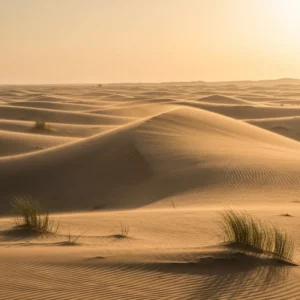
It paints the dunes in shades of apricot and gold.
The shadows are long and dramatic.
Your photos will look like paintings.
Third, the energy level.
You start your day with a rush of adrenaline.
It wakes you up better than any coffee.
You finish by lunch time.
This leaves your whole afternoon free.
You can visit the Dubai Mall or the Burj Khalifa later.
It is efficient time management for busy tourists.
Finally, the nature.
Animals are smarter than us.
They hide during the heat.
They come out in the cool morning.
This is your best chance to see an Oryx or a Gazelle.
It is a safari in the true sense of the word.
The Pickup: Starting Your Day
Your adventure begins at your hotel.
The city is still sleepy.
The roads are quiet.
A 4×4 Land Cruiser pulls up to the lobby.
The driver greets you with a smile.
He is usually a professional with years of experience.
You climb into the cool, air-conditioned car.
If you are in a shared tour, you might meet other travelers.
If you booked private, you control the music.
The drive out of the city takes about 45 minutes.
You watch the skyscrapers fade away.
The concrete turns to beige dust.
Then, the beige turns to red sand.
You are entering the Lahbab desert.
This area is famous for its high, red dunes.
It is the playground for Morning Desert Safari Experiences.
The anticipation builds with every kilometer.
You know something exciting is about to happen.
The Deflation Point: A Technical Necessity
Before you hit the sand, the car stops.
This is called the deflation point.
There will be other cars here.
It is a gathering spot for off-roaders.
The driver gets out to adjust the tires.
He lets the air out.
Why?
Road tires are hard. They cut through sand.
If you drive on sand with full tires, you sink.
You get stuck immediately.
Deflated tires are soft. They bulge out.
This creates a wider surface area.
It allows the car to float on top of the sand.
It is simple physics.
While the driver works, you can stretch your legs.
Take a look around.
You might see locals selling headscarves (Ghutra).
You might see quad bikes lined up.
Take a deep breath of the desert air.
It smells different here. Clean and dry.
Once the tires are ready, the driver signals.
It is time to buckle up.
The real adventure is starting.
Dune Bashing: The Rollercoaster of Nature
This is the main event.
Dune bashing is what makes Morning Desert Safari Experiences famous.
The car leaves the tarmac.
The engine roars.
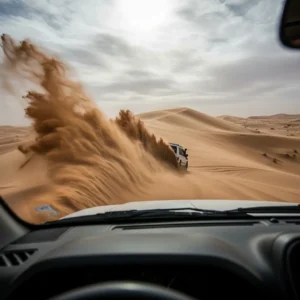
You hit the first dune.
The car climbs up at a steep angle.
All you can see through the windshield is the sky.
Then, you reach the crest.
The car tips forward.
All you can see is sand.
You slide down the other side.
It creates a feeling of weightlessness in your stomach.
It is like a rollercoaster, but unpredictable.
There are no tracks here.
The driver reads the sand in real-time.
He drifts the car sideways.
Sand sprays up against the windows.
Inside the car, everyone is screaming and laughing.
It is chaotic and joyful.
The morning sand is firmer than evening sand.
Moisture from the night holds it together.
This allows for faster, sharper driving.
It creates a more dynamic ride.
Hold onto the grab handles.
Trust the driver.
The cars are equipped with roll cages.
It is safe, but it feels dangerous.
That is the thrill.
Sandboarding: Surfing the Earth
After 30 minutes of driving, the car stops.
You are in the middle of nowhere.
Surrounded by high peaks of sand.
The driver opens the trunk.
He pulls out sandboards.
They look like snowboards, but smoother.
Sandboarding is a must-do activity.
You climb to the top of a steep dune.
Walking up is hard work.
Your feet sink into the soft powder.
It is a workout for your calves.
But the view from the top is worth it.
You strap your feet onto the board.
Or you just stand on it.
You lean forward and push off.
You glide down the face of the dune.
It is silent and smooth.
The wind rushes past your ears.
If you fall, don’t worry.
Sand is soft. It doesn’t hurt.
You will just get covered in grains.
It is messy fun.
Kids love it. Adults love it.
It creates hilarious videos for social media.
Some people sit on the board like a sled.
This is faster and easier.
Try both ways.
Enjoy the freedom of sliding on nature.
Camel Riding: The Ship of the Desert
No safari is complete without a camel.
These animals are the icons of Arabia.
They were the lifeline of the Bedouins.
In Morning Desert Safari Experiences, the ride is usually short.
It is a photo opportunity.
But it connects you to history.
Getting on a camel is tricky.
The animal kneels down.
You climb into the saddle.
Hold the handle tight.
The camel stands up back legs first.
You are thrown forward.
Then front legs next.
You are thrown backward.
It is a jerky motion.
But once you are up, it is peaceful.
You are high above the ground.
The view is different from up there.
The camel walks with a swaying rhythm.
It is relaxing.
Take a photo with the camel.
Their faces are often goofy and cute.
They are gentle giants.
Respect them.
They are the true owners of this land.
Quad Biking: Taking Control
For those who want more power, there are quads.
Usually, this is an add-on option.
But it is highly recommended.
Dune bashing makes you a passenger.
Quad biking makes you the driver.
You get a safety briefing.
You get a helmet.
Then you are let loose.
Driving a quad on sand is unique.
The wheels slip and slide.
You have to use your body weight to steer.
You can climb dunes yourself.
You can race your friends.
In the morning, the visibility is perfect.
The sun is bright.
You can see every ripple in the sand.
It is safer than night riding.
Feel the power of the engine between your legs.
Kick up your own sand storm.
It is empowering.
It adds a layer of personal achievement to the trip.
The Wildlife of the Morning
The desert is not dead.
It is teeming with life.
But you have to know when to look.
The Morning Desert Safari Experiences offer the best wildlife viewing.
As you drive, keep your eyes peeled.
You might see the Arabian Oryx.
It is a white antelope with long straight horns.
It is the national animal of the UAE.
They graze in the cool morning air.
You might see Gazelles.
They are fast and shy.
They dart across the dunes like shadows.
You might see desert foxes.
You might see lizards basking in the early sun.
Your driver knows where to look.
Ask him about the animals.
He can point out tracks in the sand.
“Here a beetle walked.” “Here a snake slithered.”
It turns the drive into a nature lesson.
It reminds you that this is a fragile ecosystem.
We are just visitors here.
Photography Tips for the Morning
You want to capture these memories.
The lighting in the morning is your best friend.
Shoot with the sun behind you.
This illuminates the dunes fully.
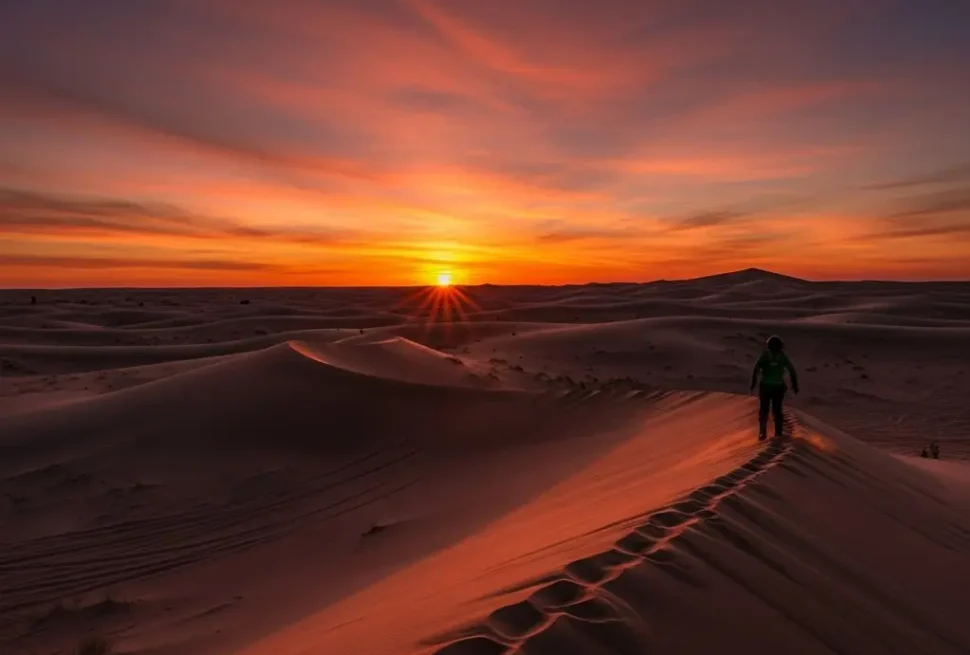
Or shoot into the sun for silhouettes.
A silhouette of a camel against the rising sun is iconic.
Look for textures.
The wind creates ripples in the sand.
In the morning, these ripples are untouched.
Get close to the ground.
Capture the grains of sand.
Use the “Rule of Thirds”.
Put the horizon on the bottom line.
Fill the frame with the amazing sky.
Wear bright colors.
Red, blue, or white clothes pop against the orange sand.
Avoid beige or brown. You will blend in.
Clean your lens.
Sand dust can make photos blurry.
Bring a microfiber cloth.
Don’t change lenses in the open air.
Sand will get into the sensor.
Stick to one versatile lens.
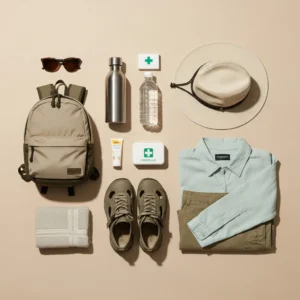
What to Wear: A Practical Guide
Clothing makes or breaks the trip.
You need to be comfortable.
You need to be protected.
Wear loose, breathable fabrics.
Cotton and linen are best.
Shorts are fine, but trousers are better.
Trousers protect your knees when sandboarding.
They protect your legs from the sun.
T-shirts are standard.
Bring a light jacket or hoodie.
Why?
Because the desert can be cold in the early morning.
especially in winter (December to February).
Once the sun is up, it warms up fast.
Layers are the key.
Footwear is a debate.
Sandals are easy to take off.
But sneakers protect your feet from hot sand later on.
And from hidden rocks.
Most people prefer sandals or flip-flops.
Just be prepared to shake them out.
Wear sunglasses. The glare is strong.
Wear a hat.
Sunstroke is a real risk even in the morning.
Health and Safety
Safety is paramount.
Morning Desert Safari Experiences are thrilling but managed.
If you have back problems, skip the dune bashing.
The jolts are hard.
It can aggravate injuries.
Pregnant women should not do dune bashing.
It is too risky.
You can still go to the desert.
Ask for a “flat drive” directly to the camp.
Motion sickness is common.
If you get car sick, take a pill.
Take it 30 minutes before the pickup.
Do not eat a heavy breakfast.
Toast and coffee are enough.
Save the big meal for lunch.
Stay hydrated.
The dry air sucks moisture from your body.
You won’t feel sweaty, because it evaporates.
But you are losing water.
Drink constantly.
Operators provide water. Drink it.
The Private vs. Shared Dilemma
You have two booking options.
Shared Car:
-
Pros: Cheaper. Social. Good for solo travelers.
-
Cons: Waiting for others. Middle seat discomfort. Less control.
Private Car:
-
Pros: Total control. No waiting. VIP treatment.
-
Cons: More expensive.
For Morning Desert Safari Experiences, private is better.
Why?
Because you can control the intensity.
If you want extreme driving, you ask for it.
If you want gentle driving for photos, you ask for it.
If you want to stay longer at the camel farm, you can.
In a shared car, you compromise.
If one person feels sick, the whole car slows down.
If you are a family, definitely book private.
It gives you space.
It keeps the kids contained.
Companies like https://royaldesertadventures.ae/ specialize in private fleets.
They offer luxury SUVs like Land Cruisers or Nissan Patrols.
It elevates the experience from a tour to an adventure.
The Cost Breakdown
Is it expensive?
It depends on your choices.
A standard shared morning safari costs between 150 AED to 300 AED per person.
This includes pickup, bashing, sandboarding, and water.
A private car costs between 800 AED to 1500 AED for the vehicle.
This fits up to 6 people.
So if you are a group, private is actually cost-effective.
Quad biking is extra.
Expect to pay 150 AED to 300 AED for a 30-minute ride.
Camel rides are usually included (short ones).
Longer camel treks cost extra.
Photos from professional photographers cost extra.
Be wary of “too cheap” tours.
If a tour is 50 AED, it is likely a bus ride to a shop.
You won’t get good dune bashing.
You get what you pay for.
Invest in a reputable company.
Check reviews on https://dubaidesertsafarie.com/.
They compare prices and ratings.
Environmental Impact
The desert is beautiful.
We must keep it that way.
Responsible tourism is growing.
Good operators respect the environment.
They do not leave trash.
They do not chase animals.
They drive in designated areas.
As a tourist, do your part.
Do not throw plastic bottles out the window.
Do not take sand or rocks as souvenirs (it’s often illegal).
Respect the silence.
Don’t scream unnecessarily.
Leave only footprints (and tire tracks).
By choosing eco-conscious operators, you support conservation.
The Dubai Desert Conservation Reserve is a protected area.
Some premium tours go there.
They are stricter but more pristine.
The Cultural Connection
The desert is the heart of Emirati culture.
Before the oil, there was only sand.
The Bedouins lived here for centuries.
They survived in this harsh environment.
Morning Desert Safari Experiences give you a glimpse of this life.
Seeing the vastness helps you understand their resilience.
Seeing the camels helps you understand their transport.
Ask your driver about the history.
Many drivers have stories.
They can explain the tribes.
They can explain the water sources.
It adds depth to the fun.
It becomes an educational journey.
You are not just riding a car.
You are traversing history.
Comparisons: Morning vs Evening
Let’s settle the debate.
Choose Morning If:
-
You hate crowds.
-
You want better photos (clean sand).
-
You want cooler weather.
-
You have other plans for the evening.
-
You want to see wildlife.
-
You get motion sick easily (fresh air helps).
Choose Evening If:
-
You want the BBQ dinner.
-
You want to see belly dancing.
-
You want to see the sunset.
-
You like a party atmosphere.
-
You want to smoke Shisha.
-
You want to get Henna tattoos.
The morning is for adventure.
The evening is for entertainment.
Knowing this distinction helps you choose.
Don’t book morning expecting a buffet.
Don’t book evening expecting silence.
Kids and Families
Is it safe for kids?
Yes.
Kids usually love the dune bashing.
They think it is a giant game.
However, safety seats are required for small children.
Book a private car so you can install a car seat.
Drivers will drive gently for families.
Sandboarding is a hit with teenagers.
Camel riding is a hit with toddlers (with parents).
Just be careful with the sun.
Apply sunscreen on kids frequently.
Make them drink water.
They get dehydrated faster than adults.
Bring snacks.
Hungry kids are cranky kids.
The morning timing works well for kids.
They are fresh and energetic.
They are usually tired by lunch, perfect for a nap.
Solo Travelers
Is it weird to go alone?
Not at all.
Dubai is very safe for solo travelers.
In a shared car, you meet people.
You bond over the thrill.
“Did you see that drop?!”
It is an icebreaker.
Drivers are friendly and will take your photos.
You don’t need a partner to enjoy the dunes.
It can be a meditative experience for one.
Just you and the vastness.
It puts life in perspective.
Many solo travelers rate the safari as their top experience.
Preparation Checklist
To ensure your Morning Desert Safari Experiences are perfect, follow this list:
-
Book in advance. Slots fill up, especially in winter.
-
Confirm pickup. WhatsApp the driver the night before.
-
Charge devices. Bring a power bank.
-
Dress right. Layers and sunglasses.
-
Eat light. Save your stomach.
-
Bring cash. For tips or quads.
-
Go to the bathroom. Use the hotel restroom before you leave. Facilities in the desert are basic.
-
Pack light. Don’t bring a suitcase. A small bag is enough.
-
Check insurance. Does your travel insurance cover off-roading?
-
Relax. You are in good hands.
Booking with Trusted Partners
The internet is full of scams.
Fake websites. Hidden fees.
Stick to verified platforms.
We recommend https://htdesertsafari.com/ for a wide range of options.
They vet their operators.
They offer secure payment.
If you want the best of the best, go to https://royaldesertadventures.ae/.
Their fleet is modern.
Their safety record is impeccable.
They focus on the guest experience.
Booking through them guarantees peace of mind.
You don’t want to worry about safety when you are sliding down a dune.
You want to just scream and smile.
Conclusion
Morning Desert Safari Experiences are essential.
They show you the soul of Dubai.
They strip away the glamour and leave the grit.
But it is a beautiful grit.
The golden sand, the blue sky, the adrenaline.
It is a combination that stays with you.
You will remember the feeling of the wind.
You will remember the laugh of your driver.
You will remember the taste of the air.
So, set your alarm.
Wake up before the city.
Go into the wild.
The desert is waiting for you.
And it is most beautiful in the morning light.
20 FAQs About Morning Desert Safari Experiences (Detailed Answers)
1. What time does the Morning Desert Safari start?
The pickup time for a Morning Desert Safari is typically between 8:00 AM and 9:00 AM. This timing is designed to get you into the desert while the temperatures are still relatively cool, especially compared to the midday heat. Some specialized “Sunrise Safaris” start much earlier, around 4:30 AM or 5:00 AM, to catch the actual sunrise, but the standard morning adventure activity tour begins after breakfast hours. You should be ready in your hotel lobby at the confirmed time as drivers run on a schedule.
2. How long does the experience last?
A standard Morning Desert Safari Experience lasts approximately 4 hours from pickup to drop-off. This includes the travel time to and from the desert (about 45 minutes each way), leaving you with about 2 to 2.5 hours of actual activity time in the dunes. This duration is perfect for those who want a thrill but have other plans for the afternoon or evening. It is a compact, high-energy half-day tour.
3. Is food included in the morning safari?
Generally, a full meal is not included in the standard morning package. You will be provided with unlimited water and sometimes soft drinks. Some operators might offer light snacks like dates or Arabic coffee at a brief camp stop, but you should not expect a buffet lunch. It is highly recommended to eat a light breakfast before you are picked up, but avoid heavy, greasy food to prevent motion sickness during the drive.
4. What is the difference between Morning and Evening Safaris?
The main differences are the temperature, lighting, activities, and food. Morning safaris are cooler (initially), offer bright daylight for clear photos, focus purely on driving and sports, and do not include dinner. Evening safaris include the sunset, a full BBQ dinner, live entertainment shows (belly dance, fire show), and a more social camp atmosphere. Morning is for adventure; evening is for culture and dining.
5. Can I bring my children?
Yes, children are welcome on morning safaris. Most operators allow children, but there may be age restrictions for the extreme dune bashing portion. Children under 3 or 4 years old usually require a private car so the driver can take a gentle route or skip the bashing entirely. Always request a child safety seat in advance when booking your tour to ensure the safety of your little ones during the off-road driving.
6. Is dune bashing safe?
Yes, dune bashing is generally safe when conducted by licensed professionals. The drivers undergo rigorous training and certification by the government to handle the vehicles in extreme conditions. The 4×4 vehicles (usually Toyota Land Cruisers) are equipped with internal roll cages, first aid kits, and tracking devices. However, it is an extreme sport involving sudden drops and turns, so it is not recommended for pregnant women or people with severe back/neck problems.
7. What should I wear?
For Morning Desert Safari Experiences, comfort is key. Wear loose, lightweight clothing like cotton t-shirts and trousers or shorts. Light colors are best to reflect the sun. Avoid skirts as they can be impractical for activities like camel riding or sandboarding. Wear sunglasses to protect your eyes from the bright glare and a hat. For footwear, sandals are convenient, but sneakers offer better protection if the sand gets hot later in the morning.
8. Will I get motion sickness?
Motion sickness is a possibility due to the erratic movement of the car on the dunes. If you are prone to car sickness, it is advisable to take a non-drowsy anti-nausea medication about 30 minutes before your pickup. Sitting in the front passenger seat can also help as it offers a clear view of the horizon. If you feel unwell during the drive, tell your driver immediately; they can stop to let you get fresh air.
9. Is Quad Biking included in the price?
Usually, Quad Biking is an optional add-on and is not included in the base ticket price of a morning safari. You can choose to add it for an extra fee (typically ranging from 100 to 300 AED depending on the bike size and duration). You can book this in advance or decide on the spot at the desert meeting point. It is a fantastic addition if you want to drive yourself rather than just be a passenger.
10. Can I book a private car?
Yes, booking a private car is highly recommended for families, couples, or groups of friends. It gives you exclusivity and control over the experience. You can dictate the pace of the drive (hard or soft), choose your own music, and stop for photos whenever you like without worrying about other passengers. It costs more than sharing, but the privacy and customization are worth it for many travelers.
11. What wildlife can I see?
The morning is the best time for wildlife spotting. You might see the Arabian Oryx, gazelles, desert foxes, and various lizards or beetles. These animals are more active in the cooler morning hours before the midday heat forces them into the shade. While sightings are not guaranteed in the open public desert, your chances are significantly higher than in the evening when the desert is busier and hotter.
12. Do I need to tip the driver?
Tipping is not mandatory in Dubai, but it is customary and highly appreciated in the service industry. If your driver was safe, friendly, provided good information, and helped you with photos, a tip is a nice gesture. A standard tip is between 20 to 50 AED per person, or 100 AED for the whole car if you are a group. It is a small way to say thank you for their hard work.
13. Is there a bathroom break?
Yes, there is usually a stop at the “deflation point” or a meeting area before entering the deep desert. These areas have restroom facilities. However, once you are deep in the dunes for the bashing and sandboarding, there are no toilets. It is strongly advised to use the facilities at the meeting point before the off-road section begins to avoid discomfort during the ride.
14. Can I skip the dune bashing?
If you book a private car, yes, you can request to skip the dune bashing or have a “nature drive” on flat sand instead. This is perfect for those who want to see the desert scenery without the rollercoaster feeling. If you are in a shared car, you generally cannot skip it as the other passengers likely paid for the thrill. This is another reason why private bookings are superior for those with specific needs.
15. Is sandboarding difficult?
Sandboarding is relatively easy and fun for beginners. It is similar to snowboarding but slower and on soft sand. You strap your feet to the board and slide down a dune. If you fall, the sand cushions the impact. You can also sit on the board like a sled if you don’t want to stand. The hardest part is actually walking back up the dune after your slide!
16. How do I book a reputable tour?
To ensure a high-quality experience, book through trusted websites or established operators. Avoid street vendors selling cheap tickets, as safety and quality may be compromised. Websites like https://royaldesertadventures.ae/ offer premium, reliable tours with verified drivers. You can also check comparison sites like https://dubaidesertsafarie.com/ to read reviews and see ratings before making a decision.
17. What happens if the car gets stuck?
Getting stuck in the sand is actually part of the adventure! It happens even to the best drivers. Do not panic. The drivers travel in convoys (groups) so that they can help each other. If one car gets stuck, another will pull it out with a tow rope. It usually takes just a few minutes and adds a bit of excitement and photo opportunities to the trip.
18. Is there mobile signal in the desert?
Yes, mobile coverage in Dubai is excellent, and you will likely have 4G or 5G signal in most parts of the Lahbab desert. You can upload your selfies and videos to Instagram in real-time. However, there might be occasional dead zones in deep valleys between high dunes. It is generally reliable enough for calls and data.
19. Can I bring my luggage?
No, there is no space for large luggage in the safari vehicles. The trunk is often used for emergency equipment, sandboards, or water coolers. You should leave your suitcases at your hotel concierge. Bring only a small backpack or handbag with your essentials (wallet, phone, sunscreen). If you are changing hotels, you must book a private transfer vehicle separately or arrange luggage storage.
20. Why should I visit https://htdesertsafari.com/?
You should visit https://htdesertsafari.com/ because it is a valuable resource for comparing different safari packages. It provides detailed descriptions of what is included in each tier (budget vs. VIP), helps you understand the cancellation policies, and offers a secure platform to book your Morning Desert Safari Experiences without hidden fees or surprises.