
Dubai Safari Photography: Capturing the Ethereal Beauty of the Arabian Desert
Dubai Safari Photography is an art form that transforms a simple vacation into a visual masterpiece. When you stand atop a towering dune in the Lahbab desert, the world feels infinite. The way the light interacts with the sand creates a canvas that is constantly shifting and evolving.
For the modern traveler, a desert safari is more than just a ride; it is an opportunity to document a landscape that has inspired poets and explorers for centuries. However, capturing the true essence of the dunes requires more than just a high-end camera. It requires an understanding of light, texture, and geography.
This extensive exploration will guide you through the premier locations and technical strategies needed to master the art of the desert shoot. From the deep crimson sands of the north to the tranquil lakes of the south, we reveal the secrets to professional-grade imagery.
Finding the Magic in the Lahbab Red Dunes
The Lahbab region is widely considered the crown jewel of Dubai Safari Photography. The sand here has a distinctive reddish hue caused by high iron oxide content. This color becomes incredibly vibrant during the transition from afternoon to evening.
When the sun begins to set, these dunes cast long, dramatic shadows. These shadows are essential for creating depth in your photos. Without them, the desert can look flat and uninteresting. Positioning yourself on a high ridge allows you to capture the undulating patterns created by the wind.
Photographers flock to Lahbab because the dunes are among the highest in the UAE. This elevation provides a vantage point that encompasses miles of untouched sand. It is the perfect place for wide-angle landscape shots that convey a sense of scale and isolation.
Mastering the Golden Hour in the Desert
Timing is the most critical element of Dubai Safari Photography. The “Golden Hour” refers to the period shortly before sunset when the light is soft, warm, and multidimensional. This light minimizes harsh highlights and provides a flattering glow for portraits.
During this window, the sand takes on a metallic, glowing quality. If you are shooting portraits, the golden light smooths out skin tones and adds a sparkle to the eyes. For landscapes, it highlights the ridges and ripples in the sand, making them look like waves in an ocean.
Most tour operators time their stops to coincide with this hour. However, the light changes rapidly. You must work quickly and have your settings pre-configured. A few minutes can be the difference between a dull brown landscape and a brilliant gold masterpiece.
The Contrast of Al Qudra Lakes and Sand
If you want a unique twist for your Dubai Safari Photography feed, head toward the Al Qudra Lakes. This man-made oasis offers a stunning juxtaposition of blue water against yellow sand. The presence of water adds a reflective element that is rare in the desert.
The lakes are surrounded by greenery and frequent wildlife, such as gazelles and various bird species. Capturing a desert animal near the water’s edge provides a “National Geographic” style shot that stands out from the typical dune photos.
For drone enthusiasts, Al Qudra is a paradise. The aerial view of the heart-shaped Love Lake is one of the most shared images in the world of Dubai tourism. The geometric patterns of the lakes and the surrounding dunes create a symmetrical beauty that is highly satisfying to the eye.
Technical Gear for Harsh Desert Environments
Dubai Safari Photography poses unique challenges for your equipment. The heat and the fine, abrasive sand are the enemies of cameras and lenses. Protecting your gear is just as important as the shots you take.
Always use a UV filter on your lens to protect the glass from blowing sand. A single grain of sand can scratch a lens element permanently. Furthermore, avoid changing lenses in the open desert. The wind can carry dust into the camera sensor, leading to spots in every photo.
Using a weather-sealed camera body is a significant advantage. If you don’t have one, consider using a camera rain cover or even a simple plastic bag to shield the body from the dust. Keeping your gear in a sealed bag between shots will extend the life of your equipment significantly.
| Equipment Item | Purpose in the Desert | Priority Level |
| UV Filter | Protects lens from sand scratches | Essential |
| Polarizing Filter | Enhances sky color and cuts glare | High |
| Lens Brush | Removes dust particles safely | Essential |
| Spare Battery | Heat drains power quickly | High |
| Microfiber Cloth | Cleans smudges from the lens | Medium |
Leveraging Cultural Elements for Depth
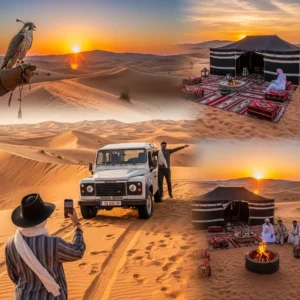
A great photo tells a story, and including cultural elements is a vital part of Dubai Safari Photography. The desert is not just a landscape; it is the home of the Bedouin heritage. Including falcons, camels, or traditional majlis setups adds layers of meaning to your work.
Falconry demonstrations provide an excellent opportunity for action photography. Capturing the moment a falcon takes flight or lands on its trainer’s glove requires a fast shutter speed and precise focus. These images capture the bond between man and nature.
Camels are also iconic subjects. A silhouette of a camel caravan against the setting sun is a timeless image that resonates with audiences worldwide. The slow, rhythmic movement of the camels allows you to take your time with composition and framing.
The Art of the Desert Silhouette
One of the most popular techniques in Dubai Safari Photography is the silhouette. By underexposing the foreground against a bright sunset, you can create a striking black outline of your subject. This technique is perfect for conveying a sense of mystery or romance.
To achieve this, place your subject on a high dune so that there is nothing behind them but the sky. Focus on the subject but set your exposure based on the brightest part of the sky. This will naturally turn the subject into a dark silhouette.
Whether it is a person jumping in the air or a lone tree, silhouettes are visually powerful because they focus on shape and form rather than detail. They are a staple of any high-quality desert portfolio and work exceptionally well for social media content.
Using Internal and External Resources for Inspiration
Before you head out, it is wise to research the current conditions and popular spots. For professional bookings and high-quality vehicle transfers that get you to the best locations, check out https://htdesertsafari.com/. Their drivers are experts at finding “clean” dunes without tire tracks.
For external inspiration on composition and style, you can look at the galleries on https://dubaidesertsafarie.com/ and https://royaldesertadventures.ae/. These sites feature work from some of the best desert photographers in the region and can give you ideas for poses and framing.
Comparing the different styles of camps and dunes on these platforms will help you decide which safari experience aligns with your photographic goals. Some camps are better for cultural lifestyle shots, while others are better for pure landscape work.
Capturing the Wildlife of the Conservation Reserve
The Dubai Desert Conservation Reserve (DDCR) is a protected area that offers a different side of Dubai Safari Photography. Here, the focus is on the flora and fauna of the Arabian Peninsula. Access is restricted, which means the animals are less skittish.
The Arabian Oryx is the star of the show here. Its white coat and long, straight horns create a stunning contrast against the golden dunes. Capturing these animals in their natural habitat requires patience and a telephoto lens (at least 200mm).
Wildlife photography in the desert requires a deep respect for the environment. Never chase or disturb the animals for a photo. The most beautiful shots are those that show the animals in a state of calm, moving naturally through the landscape they call home.
Composition Secrets: Leading Lines and Ripples
Good Dubai Safari Photography relies heavily on strong composition. The desert is full of “leading lines”—ridges and patterns in the sand that draw the viewer’s eye toward a focal point. Using these lines can give your photos a professional edge.
The wind creates intricate ripples in the sand that look like fingerprints. These patterns are best captured with “side-lighting,” which happens early in the morning or late in the afternoon. Side-lighting creates shadows in the troughs of the ripples, making the texture pop.
Don’t be afraid to get low to the ground. Shooting from a low angle emphasizes the foreground texture and makes the dunes look more imposing. It also allows you to frame the sky more effectively, especially if there are interesting cloud formations.
Navigating the Challenges of Midday Light
While the golden hour is preferred, you might find yourself in the desert during the middle of the day. Midday Dubai Safari Photography is challenging because the sun is directly overhead, creating harsh, vertical shadows and washing out the colors.
In these conditions, focus on “high-key” photography or black and white conversions. Black and white shots emphasize shape and contrast rather than color, which can look very artistic in the desert. The harsh light can be used to create stark, graphic images.
Alternatively, look for details. Zoom in on the patterns of the sand or the texture of a dried-up desert shrub. By focusing on small details, you can avoid the flat, unappealing look of midday landscapes. Using a polarizing filter can also help reduce the glare from the sand.
The Role of Post-Processing in Desert Imagery
No Dubai Safari Photography session is complete without some post-processing. The colors of the desert can sometimes look muted in raw files. A bit of editing can bring back the warmth and vibrancy that your eyes saw in person.
Increase the “warmth” or “temperature” slightly to enhance the golden tones. Adding a bit of “clarity” or “texture” will make the sand ripples look sharper. However, be careful not to over-saturate the sky; keep the blues looking natural to maintain a sense of realism.
Removing distracting elements, like distant power lines or tire tracks, can also clean up your images. The goal of editing should be to enhance the natural beauty of the desert, not to create something that looks artificial or “fake.”
Preparing Your Body for a Photography Session
Photography in the desert is physically demanding. You will be climbing dunes, carrying gear, and standing in the heat. One of the most overlooked Dubai Safari Photography tips is to take care of yourself so you can focus on your art.
Hydration is your number one priority. Drink water constantly, even if you don’t feel thirsty. The dry air evaporates sweat instantly, so you can become dehydrated without noticing. Wearing a wide-brimmed hat and sunscreen is also essential to prevent sunburn.
Dress in light, breathable fabrics. Long sleeves can actually keep you cooler by protecting your skin from direct sunlight. Wear secure sandals that are easy to take off; walking barefoot on the sand is often the easiest way to climb steep dunes for that perfect shot.
Photography Etiquette at the Bedouin Camp
When you arrive at the camp, the focus of your Dubai Safari Photography will change from landscapes to lifestyle. It is important to be respectful of the performers and other guests. Always ask permission before taking a close-up portrait of a local person.
During the fire shows and belly dancing, avoid using a flash. Flash can be distracting for the performers and often ruins the atmospheric lighting of the camp. Instead, increase your ISO and use a wider aperture to capture the ambient light of the lanterns and stage lamps.
Candid shots of people enjoying the BBQ dinner or getting henna tattoos often tell a better story than posed photos. These images capture the joy and communal spirit of the desert safari, providing a complete narrative of your experience.
Capturing the Night Sky: Desert Astrophotography
The desert is one of the few places near Dubai where you can escape light pollution. This makes it an ideal location for the final stage of your Dubai Safari Photography journey: the night sky. The stars in the desert are incredibly clear and bright.
You will need a tripod and a camera that allows for long exposures. Set your shutter speed to around 15-20 seconds and use a wide aperture (f/2.8 or f/4). If you are lucky, you can capture the Milky Way stretching across the dunes.
Light painting is another fun technique. You can use a flashlight to “paint” light onto a camel or a tent during a long exposure, creating a surreal image where the foreground is illuminated under a canopy of stars. It requires practice but the results are truly magical.
Utilizing Drones for Aerial Desert Vistas
Drones have revolutionized Dubai Safari Photography. An aerial perspective reveals the vastness and the patterns of the desert in a way that ground-level photography cannot. The view of a 4×4 convoy moving through the dunes looks like a scene from a movie.
However, be aware of the strict drone regulations in the UAE. You must have a permit and follow the no-fly zones. Most conservation reserves prohibit drones to avoid stressing the wildlife. Always check with your tour operator before launching your drone.
If you have the proper permissions, look for “leading lines” from above. The ridges of the dunes create beautiful S-curves and geometric shapes that are highly aesthetic. Morning or late afternoon is still the best time for drone work to capture the shadows of the dunes.
Working with Professional Safari Drivers
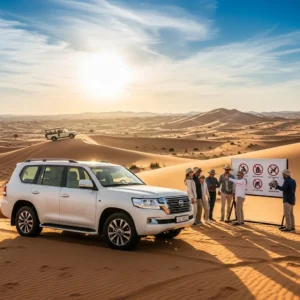
Your driver is your most important ally in Dubai Safari Photography. Experienced drivers, like those from https://htdesertsafari.com/, know exactly which dunes provide the best backdrop. They can position the vehicle in a way that facilitates great “action” shots.
If you want a specific type of photo, like a car kicking up sand in a turn, communicate this to your driver. They are professionals and can safely execute maneuvers that look spectacular on camera. Just ensure you are standing at a safe distance and have a fast shutter speed to freeze the motion.
Drivers also know the “secret” spots that are less crowded. Avoiding the throngs of other tourists is the best way to get “clean” landscape shots. A good relationship with your driver can elevate your entire photography experience from standard to exceptional.
Exploring the Sands of the Mleiha Region
While Dubai gets most of the attention, the nearby Mleiha region in Sharjah is a hidden gem for Dubai Safari Photography. This area is home to Fossil Rock and Camel Rock, unique geological formations that provide a rugged contrast to the soft dunes.
The iron-rich sand here is even redder than in Lahbab, and the archaeological sites add a historical dimension to your photos. It is a quieter area, perfect for photographers who want to take their time without being rushed by a large group.
Mleiha is also famous for its “stairway to heaven” rock formations. Capturing the Milky Way over these ancient rocks is a bucket-list shot for many local astrophotographers. It requires a bit more travel time from the city, but the unique terrain is worth the effort.
Summary of Best Practices for Success
Success in Dubai Safari Photography is a combination of preparation, timing, and respect for the environment. By choosing the right locations, protecting your gear, and mastering the light, you can create images that truly capture the soul of the desert.
Remember that the desert is a living, breathing landscape. Treat it with care and it will provide you with endless inspiration. Whether you are a professional or a hobbyist with a smartphone, the golden dunes of Dubai are a world-class destination for visual storytelling.
As you head back to the city with a memory card full of treasures, you will realize that the desert has a way of staying with you. The silence, the light, and the vastness are experiences that are best shared through the lens of a camera.
Frequently Asked Questions (FAQs)
What is the single best location for Dubai Safari Photography?
The Lahbab desert is widely considered the best location. Its high, red dunes provide the most dramatic shadows and vibrant colors, especially during the golden hour. It is the go-to spot for the classic “big dune” desert shot.
Which lens should I bring for a desert safari?
A versatile zoom lens like a 24-70mm is ideal for most situations. However, if you want to capture wildlife, bring a 70-200mm telephoto. For wide vistas, a 16-35mm wide-angle lens will help capture the immense scale of the dunes.
How do I keep my camera safe from sand?
Use a UV filter to protect the lens glass. Keep the camera in a sealed bag when not in use. Avoid changing lenses in the open air, and use a blower or brush to remove dust rather than wiping it, which can cause scratches.
Is it better to book a morning or evening safari for photos?
Evening safaris are generally better because they include the golden hour and the sunset. They also offer cultural lifestyle shots at the camp. However, morning safaris offer crisp, cool light and are much less crowded, which is great for “clean” landscapes.
How do I take good photos of the sand ripples?
Sand ripples are best captured with side-lighting, which happens when the sun is low on the horizon. This light creates tiny shadows in the grooves of the ripples, making the texture stand out clearly.
Can I fly a drone during my safari?
Drone flight in Dubai requires a permit from the DCAA and registration. Some areas are strictly no-fly zones. Always check with your tour operator and ensure you are flying legally and safely.
What should I wear for a desert photoshoot?
Wear loose, light-colored cotton clothing. Vibrant colors like red or blue look great against the yellow sand. Wear secure sandals and bring a light jacket for the evening, as the desert temperature can drop quickly after sunset.
How do I capture a desert silhouette?
Place your subject on a high ridge against the sunset. Set your exposure based on the brightest part of the sky. This will underexpose the subject, turning them into a black outline while keeping the sky colors vibrant.
Is the water at the desert camps safe?
Yes, all reputable tour operators provide chilled, bottled mineral water. It is essential to stay hydrated throughout the trip, so drink frequently even if you don’t feel thirsty.
What is the best way to photograph the fire show?
Do not use a flash. Increase your ISO (800-1600) and use a wide aperture (f/2.8). Use a fast shutter speed to freeze the motion of the flames, or a slightly slower one to create a “light trail” effect with the fire.
How do I get photos with no other tourists in them?
Booking a private safari through https://htdesertsafari.com/ is the best way. This allows you to go to more remote dunes that the large tour buses cannot reach. Alternatively, look for safaris that visit the conservation reserve.
Are the camels treated well at the camps?
Reputable operators prioritize animal welfare. You can check the reviews on sites like https://dubaidesertsafarie.com/ to ensure the company you choose follows ethical practices for their camels and falcons.
Can I charge my camera at the desert camp?
Most camps have limited power outlets. It is much better to bring 2 or 3 spare batteries. The heat can drain battery life faster than usual, so always be prepared with backups.
What is the best time of year for desert photography?
November to March offers the best weather and the clearest skies. The air is less hazy than in the summer, which provides better visibility for long-distance landscape shots.
Do I need a tripod for the desert?
A tripod is essential for sunset shots, long exposures of the shows, and especially for astrophotography at night. Lightweight travel tripods are ideal because they are easier to carry across the sand.
How do I photograph the Arabian Oryx?
You will need to visit the Dubai Desert Conservation Reserve. Use a long telephoto lens and stay inside the vehicle to avoid scaring them. Early morning is the best time as they are most active then.
What is “Love Lake” and why is it popular?
Love Lake is two heart-shaped lakes at Al Qudra. It is incredibly popular for Instagram and drone photography because of its unique shape and the contrast between the water and the surrounding dunes.
Can I get professional photos taken of me?
Yes, many luxury safaris offer professional photography packages where a photographer will accompany you and take high-end portraits. Check https://royaldesertadventures.ae/ for their premium photoshoot options.
What settings should I use for dune bashing photos?
Use a very fast shutter speed (at least 1/1000s) to freeze the flying sand and the motion of the car. Use continuous autofocus to keep the moving vehicle sharp as it approaches you.
How do I edit my desert photos?
Increase the warmth and contrast. Use “dehaze” if the sky looks a bit dusty. Be careful with saturation; you want the sand to look golden, not fluorescent orange. Keep the edits natural to reflect the true beauty of the desert.
Dubai Safari Photography is a rewarding pursuit that combines adventure with artistic expression. By following these guidelines and choosing the right partners, you can ensure that your memories of the Arabian desert are as vivid and lasting as the landscape itself. Start your journey today and capture the magic of the dunes.