Desert Safari in Winter 19 Epic Reasons to Visit Now
Most people associate Dubai with scorching heat.
They think of sweating as soon as they step outside.
But there is a secret season.
A season where the air is crisp.
A season where you need a jacket.
A Desert Safari in Winter is a completely different experience.
From October to March, the desert transforms.
It goes from a furnace to a paradise.
The temperatures drop to a perfect 20°C (68°F) during the day.
At night, it can get down to 10°C (50°F).
This change in weather changes everything.
It changes the sand.
It changes the animals.
It changes the mood.
You are not fighting the sun anymore.
You are enjoying it.
You can sit around a fire without overheating.
You can hike up a dune without fainting.
This guide will explain why winter is the absolute best time to visit.
We will cover what to pack.
We will cover the unique winter activities.
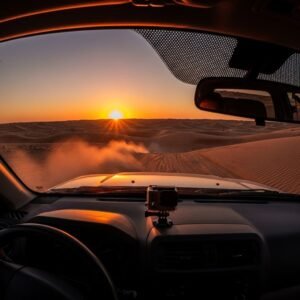
We will explain why the sand feels different under your tires.
If you are planning a trip, do it now.
The winter desert is calling.
1. The Perfect Weather Advantage
The primary reason to choose a Desert Safari in Winter is comfort.
In summer, you are surviving.
In winter, you are living.
You can stand outside for hours.
You can play sports on the sand.
You don’t need to hide in the air-conditioned car.
The humidity drops significantly.
The air feels fresh and clean.
This allows for longer safaris.
You can book an all-day trip.
You can combine morning and evening without exhaustion.
Companies like https://royaldesertadventures.ae/ offer extended winter packages.
They know that guests want to stay longer.
They provide blankets and heaters at the camp.
It is the season of outdoor luxury.
2. The Science of Winter Sand
Did you know sand behaves differently in winter?
It holds moisture from the dew and occasional rain.
This makes the sand firmer.
It creates better traction for the tires.
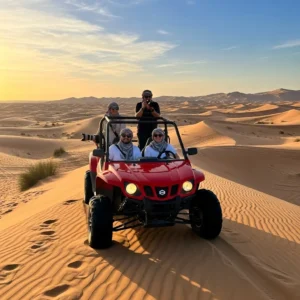
This means the dune bashing is faster.
It is more aggressive.
The cars can climb steeper slopes.
They don’t sink as easily.
Drivers love the winter season.
They can perform maneuvers that are impossible in summer.
The sand is also dust-free.
The moisture keeps the dust down.
You get clearer views.
You don’t breathe in grit.
If you are a petrolhead, this is the time to go.
The driving dynamics are at their peak.
3. The Phenomenon of Desert Fog
One of the most beautiful sights is the winter fog.
It usually happens in the early morning.
A thick blanket of white mist covers the dunes.
Only the peaks of the dunes stick out.
It looks like islands in a white sea.
A morning Desert Safari in Winter offers this view.
It is eerie and magical.
It is a photographer’s dream.
The light is diffused and soft.
As the sun rises, it burns off the fog.
You watch the desert reveal itself slowly.
This atmosphere is unique to the winter months.
You will never see this in summer.
It adds a layer of mystery to the adventure.
4. Active Wildlife Sightings
In summer, animals hide.
They sleep in burrows to avoid the heat.
In winter, they come out.
The desert becomes a busy place.
You might see the Arabian Oryx grazing openly.
You might see gazelles chasing each other.
You might see foxes playing near the camp.
Reptiles are also active during the warm midday.
They bask on the rocks.
Birdwatching is spectacular in winter.
Migratory birds stop in the UAE.
You might see eagles and falcons.
You might see the Houbara Bustard.
If you love nature, book a Desert Safari in Winter.
The ecosystem is alive.
It is visible.
It is not just empty sand.
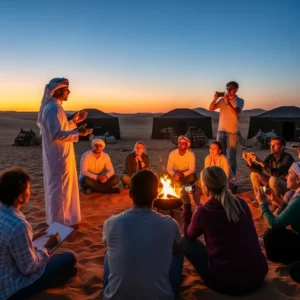
5. The Joy of the Campfire
There is something primal about a fire.
In summer, a fire is just for cooking.
In winter, it is for warmth.
It is the center of the camp.
Guests gather around the fire pit.
They hold their hands out to the flames.
They share stories.
It builds a sense of community.
The smell of woodsmoke mixes with the cool air.
It creates a cozy, nostalgic feeling.
Many camps offer marshmallows for roasting.
Or chestnuts.
Sitting by a fire under the stars is a core memory.
It is simple but profound.
It connects us to our ancestors.
Operators like https://dubaidesertsafarie.com/ prioritize the campfire experience.
They ensure there is plenty of wood.
They create a comfortable seating circle.
6. Hiking and Trekking
Walking in the desert is impossible in July.
But in January, it is a delight.
You can go for a long hike.
You can explore the ridges on foot.
Walking on sand is a great workout.
It strengthens your legs.
It burns calories.
In winter, you don’t sweat excessively.
You can carry less water.
You can explore areas the car cannot reach.
Some tours offer guided trekking.
A naturalist walks with you.
He points out tracks and plants.
He explains the geology.
This slow exploration is only possible when the weather is cool.
It allows for a deeper connection with the land.
7. Camping Without AC
Overnight camping is popular.
In summer, you need an AC tent.
In winter, you can sleep in a traditional tent.
Or even under the open sky.
Sleeping bags are cozy.
The cool air helps you sleep better.
You wake up refreshed.
You don’t wake up sticky and hot.
A Desert Safari in Winter allows for authentic camping.
You experience the desert as the Bedouins did.
They didn’t have generators.
They relied on blankets and tents.
This authenticity is valuable.
It teaches resilience.
It teaches simplicity.
Check https://htdesertsafari.com/ for their winter camping options.
They provide high-quality sleeping gear.
They ensure you stay warm and safe.
8. Fashion and Layering
Winter is the time for fashion.
In summer, you wear as little as possible.
In winter, you can layer up.
Wear stylish boots.
Wear a beautiful scarf.
Wear a leather jacket.
The desert looks great with winter fashion.
The textures match.
Leather and wool look good against sand.
It is great for Instagram.
You don’t look sweaty and red in photos.
You look chic and comfortable.
Bring a beanie for the night.
Bring gloves if you get cold hands.
Dressing up adds to the sense of occasion.
It makes the safari feel like an event.
9. Hot Food and Drinks
Food tastes better when you are cold.
A hot bowl of lentil soup is heaven.
Freshly grilled meat warms you up.
Hot Arabic coffee (Gahwa) is essential.
It warms your hands and your belly.
Karak Chai (spiced tea) is a winter favorite.
The steam rising from the cup looks inviting.
Camps adjust their menus for a Desert Safari in Winter.
They serve heartier dishes.
They serve warm desserts like Umm Ali.
Eating hot food in the cool air is a sensory delight.
It is comfort food at its best.
You appreciate the meal more.
You linger over dinner longer.
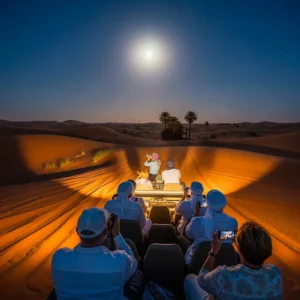
10. Crystal Clear Stargazing
Summer air can be hazy.
Humidity and dust obscure the sky.
Winter air is crisp and clear.
The humidity drops.
The stars pop out.
Stargazing is phenomenal in winter.
You can see the constellations clearly.
You can see the Milky Way.
Some camps bring telescopes.
Astronomers guide you through the sky.
They show you Jupiter and Saturn.
Because the nights are longer, you have more time.
Sunset is around 5:30 PM.
By 7:00 PM, it is pitch black.
You have hours to enjoy the sky before sleep.
It is romantic and educational.
11. Falconry in its Prime
Falcons are winter birds.
In the wild, they migrate.
In captivity, they are active in winter.
The hunting season is in winter.
The birds are alert and hungry.
Falconry shows are better in a Desert Safari in Winter.
The birds fly faster.
They are more eager to hunt the lure.
In summer, they are lethargic.
They pant and refuse to fly.
Seeing a falcon dive at 300 km/h is amazing.
Doing it in cool weather is comfortable for you and the bird.
You can hold the bird without sweating on the glove.
It is the respectful time to interact with these animals.
12. No Heat Exhaustion Risk
Safety is improved.
Heatstroke is a real risk in summer.
Tourists faint.
They get dehydrated.
In winter, this risk is almost zero.
You still need to drink water.
But you are not in danger of overheating.
This makes it safer for children.
It is safer for the elderly.
Families prefer the winter season.
They can relax knowing everyone is safe.
You don’t have to constantly monitor your body temperature.
You can focus on the fun.
13. The Golden Light for Photos
Photographers love winter.
The sun stays lower in the sky for longer.
The shadows are longer.
The light is softer.
It is not the harsh, white light of summer noon.
It is a golden, warm light all day.
This makes your photos look professional.
The contrast between the lit side and shadow side of dunes is dramatic.
The fog adds texture.
The clear air removes the blur.
Every shot is a masterpiece.
If you want to build your portfolio, go now.
Use the golden hour to its full potential.
14. Cultural Festivals
Winter is festival season in Dubai.
The weather allows for outdoor events.
Many desert festivals happen now.
Heritage villages pop up.
Camel races take place.
Falconry competitions are held.
A Desert Safari in Winter often overlaps with these.
You might see a camel race practice.
You might see a Bedouin wedding celebration.
The desert is socially active.
Locals go camping on weekends.
You see the culture in action.
You are not just a tourist in an empty land.
You are part of a living landscape.
15. Longer Evenings
Because the sun sets early, the evening is long.
The safari doesn’t end at sunset.
The camp experience is extended.
You have more time for Shisha.
More time for Henna.
More time for talking.
The pace is slower.
In summer, people want to rush back to the AC hotel.
In winter, nobody wants to leave.
They stay until the last moment.
This relaxed vibe is what a holiday should be.
It is unhurried.
It is peaceful.
16. Romance in the Dunes
Winter is romantic.
Snuggling under a blanket.
Sharing a hot cocoa.
Walking hand in hand in the cool sand.
It is perfect for couples.
The privacy of the desert is enhanced by the cold.
You want to be close to each other.
A private dinner setup is magical in winter.
Candles, fire, and stars.
It is the ideal setting for a proposal.
Or an anniversary.
Book a private car with https://royaldesertadventures.ae/.
Ask for a romantic setup.
They know how to create the mood.
17. Better Sandboarding
Sandboarding is physical.
Climbing the dune is hard work.
In summer, you do it once and quit.
It is too hot.
In winter, you can do it ten times.
You don’t overheat.
The firmer sand makes the board slide faster.
It is more fun.
You can turn it into a competition.
You can spend an hour playing on the slopes.
It becomes a real sport, not just a photo op.
Kids have unlimited energy in the cool weather.
They will sleep well that night.
18. Exploring Flora
Rain happens in winter.
Even a little rain changes the desert.
Small flowers bloom.
Green grass shoots up.
The desert turns slightly green.
This “green desert” is rare.
It only lasts a few weeks.
But if you catch it, it is stunning.
You see purple flowers in the sand.
You see yellow daisies.
It is a contrast of life and harshness.
A Desert Safari in Winter gives you a chance to see this miracle.
It shows the resilience of nature.
It is a botany lesson in the wild.
19. It is the Traditional Season
Historically, Bedouins traveled in winter.
Summer was for staying near the oasis.
Winter was for hunting and trading.
By going in winter, you are following tradition.
You are moving with the rhythm of the land.
It feels more authentic.
The activities make more sense.
The food makes more sense.
You are aligning yourself with history.
It is the respectful time to explore.
Conclusion
Dubai has two faces.
The hot, modern city.
And the cool, timeless desert.
A Desert Safari in Winter reveals the second face.
It is welcoming.
It is comfortable.
It is full of life and joy.
You don’t have to battle the elements.
You can embrace them.
Whether you want adventure or relaxation, winter delivers.
It is the peak season for a reason.
Don’t miss out on the best weather in the world.
Pack your jacket.
Book your ticket.
And get ready for a chilly thrill.
Start your winter journey at https://royaldesertadventures.ae/.
Find the best campfires at https://dubaidesertsafarie.com/.
Explore the winter dunes with https://htdesertsafari.com/.
The fire is lit.
We are waiting for you.
Comparison Table: Winter vs. Summer Safari
| Feature | Winter Safari (Oct – Apr) | Summer Safari (May – Sept) |
| Temperature | 10°C – 25°C (Cool/Pleasant) | 35°C – 45°C (Hot/Extreme) |
| Clothing | Jackets, layers, boots | Shorts, t-shirts, sandals |
| Sand | Firm, cool, fast | Soft, hot, slow |
| Wildlife | Active all day | Hidden, inactive |
| Activities | Hiking, Bonfires, Falconry | Limited outdoor time |
| Comfort | High (All day outdoor) | Low (AC dependent) |
| Crowds | High (Peak Season) | Low (Off-peak) |
| Vibe | Cozy, energetic | Intense, survival-focused |
| Sky | Clear, Foggy mornings | Hazy, dusty |
20 FAQs About Desert Safari in Winter
1. How cold does it get in the desert at night?
It can get surprisingly cold. In the peak of winter (December and January), night temperatures can drop to around 10°C (50°F) or even lower in deep desert areas. The wind chill factor can make it feel colder. You definitely need a warm jacket, a beanie, and long pants if you plan to stay after sunset.
2. Is it safe to do dune bashing in winter?
Yes, it is arguably safer and more fun. The sand is firmer due to moisture, which gives the tires better grip. This allows drivers to control the vehicle more precisely. The risk of the car overheating is also much lower in winter than in summer.
3. What should I wear for a winter safari?
Dress in layers. The afternoon might be warm (25°C), so a t-shirt is fine. But as soon as the sun sets, the temperature drops rapidly. Bring a hoodie, a fleece, or a leather jacket. Wear closed shoes or boots to keep your feet warm. A scarf is also useful for warmth and wind protection.
4. Can I see fog on an evening safari?
Fog is typically a morning phenomenon. It forms overnight and burns off by 9:00 AM or 10:00 AM. To see the magical desert fog, you must book a morning safari, ideally starting before sunrise (around 5:30 AM). Evening safaris offer clear sunsets but rarely fog.
5. Do the camps have heaters?
Most reputable camps provide outdoor patio heaters (mushroom heaters) in the dining areas. They also have a central campfire which is the main source of warmth and atmosphere. Indoor Majlis areas are usually warmer than the open air. However, bring your own layers just in case.
6. Is it the best time for wildlife?
Absolutely. Animals like the Arabian Oryx and Gazelles are active during the day because it is not too hot. You have a much higher chance of spotting them grazing or walking near the tracks. Migratory birds are also present in large numbers during the winter months.
7. Can I camp overnight in winter?
Yes, winter is the only comfortable time for camping without air conditioning. You can sleep in a traditional tent or a sleeping bag under the stars. The cool air ensures a restful sleep, unlike the sticky, sweaty nights of summer. Ensure the tour operator provides thick blankets or rated sleeping bags.
8. Is it crowded in winter?
Yes, winter is the peak tourist season in Dubai. The weather is perfect, so everyone wants to go outside. Expect larger crowds at the camps and convoys of cars in the dunes. If you want privacy, you must book a private car or a VIP package with operators like https://royaldesertadventures.ae/.
9. Does it rain in the desert?
It does rain occasionally in winter. Desert rain is usually short but intense. It changes the landscape completely, turning the sand darker and sometimes creating temporary pools. It is a rare and beautiful sight, but it might lead to tour cancellations if the storms are severe for safety reasons.
10. What food is served in winter?
The buffet is similar to summer (BBQ, salads, rice), but there is a greater emphasis on warm dishes. You will find hot soups (lentil is common), warm breads, and plenty of hot tea and coffee. The live cooking stations are very popular as people gather around the heat of the grill.
11. Can I wear sandals in winter?
You can, but your feet will get cold at night. The sand gets cold very quickly after sunset. It is better to wear sneakers or boots. If you want to walk barefoot on the dunes, do it in the afternoon while the sun is still warming the sand.
12. Is the sunset different in winter?
Yes, the air is clearer in winter, leading to crisp, defined sunsets. In summer, the humidity creates a haze that diffuses the light. Winter sunsets are sharp and brilliant, often with clear transitions of color from blue to orange to purple.
13. Are there bugs in winter?
There are fewer bugs in winter than in the transitional months. The cold keeps the flies and mosquitoes away, especially at night. It is a very comfortable environment for sitting outside without needing repellent.
14. What time does the sun set in winter?
The sun sets early in winter, usually between 5:30 PM and 5:45 PM. This means the “Golden Hour” for photography starts around 4:30 PM. You need to be in the dunes early to catch the light. The evening programs at the camp also start earlier.
15. Is sandboarding easier in winter?
The sliding is faster because the sand is firm, but the main advantage is the physical exertion. Climbing back up the dune is much easier when it is 20°C compared to 40°C. You can do multiple runs without risking heat exhaustion.
16. Why is the sand firmer?
Dew forms on the sand at night due to the temperature drop. This moisture binds the sand grains together. It makes the surface harder and less powdery. This is great for driving and walking but means the sand doesn’t “flow” as much as dry summer sand.
17. Do I need sunglasses in winter?
Yes, the winter sun is lower in the sky, meaning it is often directly in your line of sight while driving or walking. The glare off the sand can still be strong. Polarized sunglasses are highly recommended to protect your eyes and improve visibility.
18. Can I see the Milky Way?
On a clear, moonless winter night, yes. The lower humidity and dust levels improve visibility. If you go deep into the desert away from the camp lights, the stars are magnificent. Winter constellations like Orion are prominent in the sky.
19. Why use the link dubaidesertsafarie.com?
Using https://dubaidesertsafarie.com/ helps you find tours that are specifically tailored for winter. They might list “campfire” or “heated camp” as features, ensuring you book an experience that takes full advantage of the season’s benefits.
20. Is it okay for babies?
Winter is the safest time for babies and toddlers because there is no risk of heatstroke. However, it is crucial to keep them warm. Bring layers, hats, and blankets for them. The desert wind can be chilly for little ones. Book a private car to control the environment and schedule.