Desert Safari Waste Management 17 Ways We Keep Dunes Clean
The desert is a place of purity.
It is a landscape defined by its emptiness.
The rolling dunes look like a painting.
But there is a hidden enemy in this paradise.
That enemy is waste.
Every year, millions of tourists visit the Dubai desert.
They come for the thrill.
They come for the beauty.
But they often leave something behind.
Plastic bottles, food wrappers, and broken car parts.
This waste is a disaster for the ecosystem.
It destroys the beauty of the landscape.
It kills the animals that call the desert home.
Desert Safari Waste Management is the most critical challenge facing the industry today.
It is not just about cleaning up.
It is about changing how we operate.
It is about rethinking tourism.
We must move from a disposable culture to a sustainable one.
This is not easy.
The desert is a remote environment.
There are no garbage trucks driving over the dunes.
Managing waste here requires planning.
It requires dedication.
It requires a partnership between the tour operator and the tourist.
In this guide, we will explore this battle.
We will look at the types of waste we face.
We will look at the solutions we are implementing.
We will show you how your choices make a difference.
This is the story of how we keep the sand gold.
The Fragile Desert Ecosystem
The desert looks tough.
It survives extreme heat and wind.
But biologically, it is very fragile.
The ecosystem relies on a delicate balance.
Plants grow slowly.
Animals live on the edge of survival.
Introducing waste into this system causes chaos.
A single plastic bag can kill a camel.
A leaking oil can kills a Ghaf tree.
Desert Safari Waste Management begins with understanding this fragility.
We are guests in this home.
The lizards, snakes, and gazelles are the owners.
When we leave trash, we are poisoning their house.
The soil in the desert is also special.
It contains a “crust” of bacteria that holds it together.
Waste and off-road driving damage this crust.
This leads to erosion and dust storms.
Protecting the desert is protecting the future of the UAE.
It is preserving the heritage for the next generation.
The Plague of Plastic
Plastic is the number one enemy.
Water bottles are the biggest culprit.
In the heat, tourists drink a lot of water.
This is necessary for health.
But it generates millions of plastic bottles a year.
These bottles take 450 years to decompose.
In the desert, they do not just sit there.
They break down into microplastics.
These microplastics enter the food chain.
They pollute the groundwater.
Effective Desert Safari Waste Management targets plastic first.
We are moving towards reusable solutions.
We are encouraging guests to bring their own bottles.
We are installing large water dispensers in camps.
This reduces the need for single-use plastic.
It is a small change with a huge impact.
If every tourist saved one bottle, we would save millions.
Companies like https://royaldesertadventures.ae/ are leading this plastic-free revolution.
They understand that plastic has no place in nature.
The Danger to Wildlife
Why is waste so dangerous here?
Desert animals are curious.
Camels are scavengers.
They see a plastic bag and think it is food.
They eat it.
The plastic does not digest.
It forms a rock-hard ball in their stomach.
This is called a “poly-bezoar.”
It blocks their digestive system.
The animal slowly starves to death.
It is a painful and unnecessary way to die.
We see this tragedy too often.
Oryx get their horns caught in plastic rings.
Foxes get their heads stuck in cans.
Desert Safari Waste Management is literally a life-saver.
By removing the trash, we save the animals.
We protect the biodiversity of the dunes.
When you dispose of your trash correctly, you are saving a life.
It is that simple.
Food Waste and Composting
Desert camps serve huge buffets.
Hundreds of people eat every night.
This generates a lot of food waste.
Leftover rice, bread, and meat.
In the past, this was dumped in landfills.
Now, we are smarter.
We use composting.
Organic waste is separated from the trash.
It is processed into compost.
This compost is used to fertilize the plants at the camp.
It turns waste into a resource.
It feeds the Ghaf trees and the palms.
It closes the loop.
However, we must be careful.
We cannot just dump food in the desert.
This attracts pests.
It attracts rats and feral dogs.
These pests threaten the native wildlife.
They eat the eggs of desert birds.
Proper Desert Safari Waste Management means containing food waste.
It means sealed bins.
It means transporting waste back to the city for processing.
The Problem of Cigarette Butts
Cigarette butts are small.
People flick them out of the car window.
They think they disappear.
They do not.
The filters are made of plastic fibers.
They contain toxins like arsenic and lead.
When it rains, these toxins leach into the sand.
They poison the soil.
Birds mistake the butts for insects.
They eat them and die.
Cleaning up cigarette butts is a nightmare.
They are tiny and bury themselves in the sand.
We ask smokers to be responsible.
We provide portable ashtrays.
We have designated smoking areas in the camps.
We educate drivers not to smoke in the dunes.
A clean desert includes the small things.
Every butt picked up is a victory for the environment.
Vehicle Maintenance Waste
Safaris rely on 4×4 vehicles.
These machines require maintenance.
They use oil, tires, and batteries.
If not managed, this creates toxic waste.
Old tires are a huge problem globally.
In the desert, a burst tire is often left behind.
This is unacceptable.
Responsible operators bring everything back.
They recycle the old tires.
They recycle the used motor oil.
They dispose of car batteries safely.
Leaking oil is another hazard.
A car dripping oil on the sand contaminates it forever.
Desert Safari Waste Management includes vehicle checks.
We ensure our cars are leak-free.
We maintain them to high standards.
This protects the environment and the passengers.
It shows that we care about the machinery and the land.
Check https://dubaidesertsafarie.com/ for operators with well-maintained fleets.
A clean car usually means a clean conscience.
Camp Sewage Management
Desert camps have toilets.
Where does the waste go?
There are no sewer lines in the desert.
We use septic tanks.
These tanks must be sealed perfectly.
If they leak, they contaminate the groundwater.
They must be pumped out regularly.
Trucks come to the desert to collect the sewage.
They take it to treatment plants in the city.
This is a hidden part of Desert Safari Waste Management.
Tourists do not see it.
But it is vital.
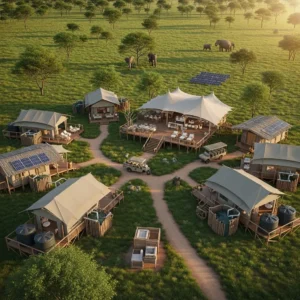
We also use bio-digesters in some camps.
These turn waste into gas and water.
The water is treated and used for irrigation.
The gas is used for cooking.
This is the future of sustainable camping.
It turns a problem into a solution.
Recycling Stations in the Desert
We are bringing the city to the desert.
In a good way.
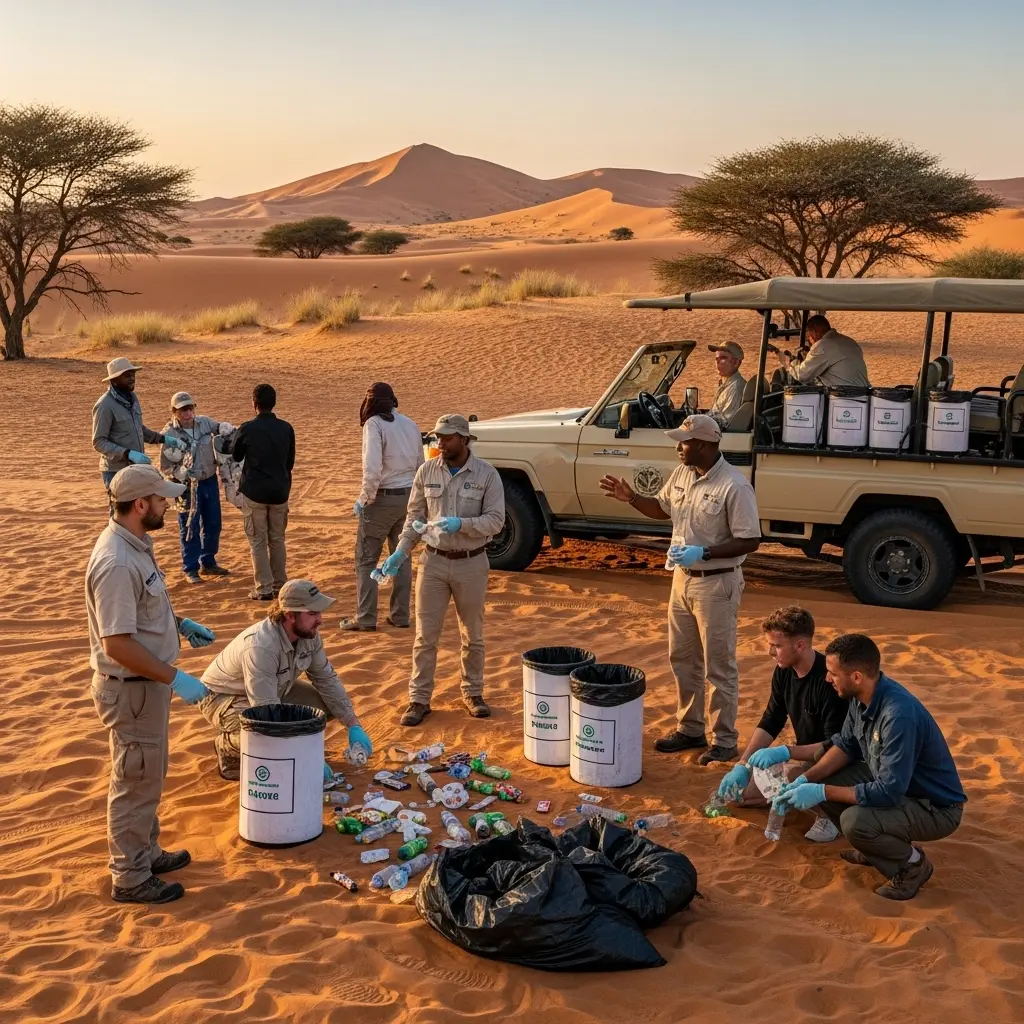
We are installing recycling stations at camps.
Bins for plastic, glass, and paper.
They are clearly marked.
They encourage guests to separate their trash.
But a bin is not enough.
We need to ensure it gets recycled.
We partner with recycling companies.
They collect the sorted waste.
They ensure it does not end up in a landfill.
This requires effort.
It requires staff training.
The staff must sort the trash after the guests leave.
They pick out the mistakes.
They ensure the recycling stream is clean.
This dedication makes Desert Safari Waste Management work.
It turns the camp into a green zone.
The “Leave No Trace” Policy
This is our golden rule.
“Leave No Trace.”
It means exactly what it says.
When we leave a spot, it should look untouched.
No tire marks on vegetation.
No apple cores.
No tissues.
Even biodegradable items should be taken.
An orange peel takes months to dry out in the desert.
It looks ugly.
It is not natural food for the animals.
We train our drivers in this philosophy.
They check the area before leaving.
They pick up anything that fell.
We ask our guests to do the same.
If you bring it in, take it out.
It is a simple respect for nature.
It preserves the wild feeling of the desert.
Engaging the Tourist
We cannot do this alone.
We need your help.
Tourists generate the waste.
Therefore, tourists are part of the solution.
We educate our guests.
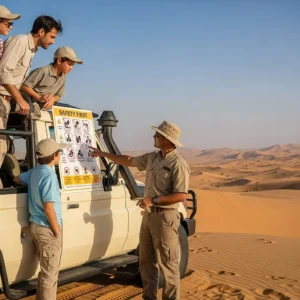
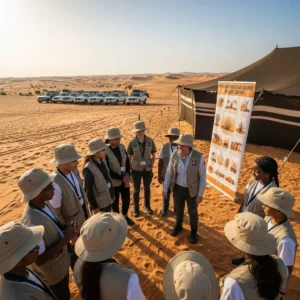
Our guides give a briefing.
“Please do not litter.”
“Please use the recycling bins.”
Most tourists are happy to help.
They want to protect the beautiful place they are visiting.
They just need to be told how.
Desert Safari Waste Management is a partnership.
When you book with https://htdesertsafari.com/, you join this partnership.
You become a guardian of the sand.
Your actions matter.
Holding onto your trash until you find a bin matters.
Refusing a plastic straw matters.
Cleanup Drives
Sometimes, waste happens.
Wind blows trash from the city.
Careless campers leave messes.
So, we organize cleanup drives.
Staff and volunteers go into the desert.
We walk the dunes.
We pick up every piece of plastic we see.
We pick up old tires.
We pick up metal scraps.
It is hard work.
It is hot work.
But it is rewarding.
Seeing a pristine dune after a cleanup is a great feeling.
These drives also raise awareness.
They show the public the scale of the problem.
They shame the litterbugs.
They inspire others to keep it clean.
We weigh the trash we collect.
We track our progress.
We aim for less trash every year.
Sustainable Alternatives
We are replacing the bad stuff.
Plastic cutlery is out.
Bamboo or wood cutlery is in.
Styrofoam plates are out.
Palm leaf plates are in.
These alternatives are biodegradable.
If they get lost in the sand, they will rot.
They will not hurt an animal.
They look better too.
They feel more natural.
They fit the Bedouin theme.
Cloth napkins instead of paper.
Glass cups instead of plastic.
These changes cost more.
But they are worth it.
Desert Safari Waste Management is about investing in quality.
It is about moving away from the “throwaway” culture.
It elevates the guest experience.
Government Regulations
The Dubai government is strict.
They have high standards for the environment.
There are fines for littering.
There are fines for dumping sewage.
Inspectors visit the camps.
They check the waste logs.
They check the cleanliness of the site.
This regulation drives compliance.
It forces the bad operators to clean up.
It rewards the good operators.
We welcome these regulations.
They level the playing field.
They ensure that everyone is playing by the rules.
They protect the reputation of Dubai tourism.
A dirty desert is bad for business.
A clean desert is a national asset.
The Role of the Guide
The guide is the enforcer.
He is the role model.
If the guide throws a cigarette, the guest will too.
If the guide picks up trash, the guest will too.
We train our guides to be eco-warriors.
They carry trash bags in the car.
They stop to pick up floating plastic.
They explain the ecosystem to the guests.
They make conservation cool.
They are the frontline of Desert Safari Waste Management.
Their attitude changes everything.
A passionate guide inspires the whole group.
He turns a tour into a mission.
He makes you feel proud to be clean.
Innovations in Waste Tech
Technology helps us.
We use compactors to reduce the volume of trash.
This means fewer truck trips to the city.
This saves fuel.
We use smart bins that tell us when they are full.
We use solar-powered composters.
We are looking into water-from-air technology.
This would reduce the need for plastic bottles entirely.
Innovation is key to the future.
We are constantly looking for better ways.
Better ways to clean.
Better ways to recycle.
Better ways to reduce.
The desert is a place of innovation.
We apply that spirit to waste management.
Choosing the Right Operator
You have a choice.
You can choose a cheap operator who dumps trash.
Or you can choose a responsible one.
How do you know?
Ask questions.
“Do you recycle?”
“Do you use plastic bottles?”
Look at their website.
Do they talk about sustainability?
Look at the reviews.
Do people mention cleanliness?
Choose https://royaldesertadventures.ae/.
They are committed to a clean desert.
They invest in waste management.
Your ticket price pays for this.
It pays for the recycling.
It pays for the cleanups.
Vote with your wallet.
Support the companies that support the planet.
The Future is Zero Waste
Our goal is ambitious.
We want Zero Waste safaris.
No trash sent to the landfill.
Everything reused, recycled, or composted.
It is a hard goal.
But it is possible.
It requires a change in mindset.
It requires cooperation from suppliers.
It requires educated tourists.
We are getting closer every day.
We are reducing the plastic.
We are increasing the composting.
We are cleaning the dunes.
The future of Desert Safari Waste Management is bright.
It is a future where the only thing we leave behind are footprints.
Conclusion
The desert is not a garbage dump.
It is a sanctuary.
It is a place of beauty and peace.
Keeping it clean is our duty.
It is a difficult task.
It fights against laziness and convenience.
But it is a fight we must win.
For the camels.
For the trees.
For our children.
Desert Safari Waste Management is the shield that protects this land.
It is the system that keeps the magic alive.
Next time you are on a safari, look around.
Appreciate the cleanliness.
Understand the effort behind it.
Do your part.
Pick up that bottle.
Use that recycling bin.
Be a responsible traveler.
Together, we can keep the dunes golden forever.
Join the movement with https://htdesertsafari.com/.
Experience a clean adventure with https://dubaidesertsafarie.com/.
Support eco-tourism with https://royaldesertadventures.ae/.
The desert thanks you.
Comparison Table: Wasteful vs. Eco-Friendly Safari
| Feature | Wasteful Operator | Eco-Friendly Operator |
| Water | Single-use plastic bottles | Reusable bottles / Dispensers |
| Cutlery | Plastic throw-away | Bamboo / Metal / Washable |
| Food Waste | Dumped in landfill | Composted for fertilizer |
| Trash Policy | Leaves litter behind | “Leave No Trace” policy |
| Recycling | None | Sorted bins (Glass, Plastic, Paper) |
| Sewage | Leaking tanks | Treated / Bio-digesters |
| Maintenance | Oil leaks on sand | Well-maintained, leak-free |
| Cigarettes | Thrown in sand | Portable ashtrays provided |
| Education | None | Guide talks about conservation |
20 FAQs About Desert Safari Waste Management
1. What is the biggest waste problem in the desert?
The biggest problem is single-use plastic, specifically water bottles and plastic bags. Due to the high heat, tourists consume large amounts of water, leading to thousands of discarded bottles daily. These plastics take centuries to decompose and pose a severe choking hazard to wildlife like camels and oryx.
2. How do you handle toilets in the middle of the desert?
Desert camps use underground septic tanks to collect sewage. These tanks are sealed to prevent leakage into the soil. Specialized sewage trucks drive into the desert regularly to pump out the waste and transport it to municipal treatment plants. Some advanced camps are now using bio-digesters to treat waste on-site and produce biogas.
3. What happens to the leftover food from the buffet?
Responsible operators segregate food waste from general trash. This organic waste is often sent to composting facilities or composted on-site if the camp has the infrastructure. The resulting compost is used to nourish the decorative plants and trees within the camp. Feeding leftovers to wild animals is strictly prohibited as it disrupts their natural diet and behavior.
4. Can I throw biodegradable waste like apple cores in the sand?
No, you should not. While an apple core is biodegradable, the desert environment is very dry, meaning decomposition takes a very long time. In the meantime, it looks unsightly and attracts pests like rats and flies, which can carry disease and threaten native wildlife. Always pack out everything you pack in.
5. How are the vehicles maintained to prevent pollution?
Safari vehicles undergo rigorous maintenance schedules. Mechanics check for oil, coolant, and fuel leaks daily. Driving over rough dunes can damage hoses, so preventative maintenance is key. Used oil and tires are collected and sent to certified recycling centers in Dubai, ensuring no hazardous fluids contaminate the desert sand.
6. Do you recycle in the desert?
Yes, many camps now have designated recycling stations with separate bins for plastics, glass, cans, and paper. The camp staff sorts this waste to ensure it is not contaminated. It is then collected by recycling companies that service the desert areas. This reduces the amount of waste sent to landfills significantly.
7. Why are cigarette butts such a big issue?
Cigarette butts contain plastic fibers (cellulose acetate) and toxic chemicals. They do not biodegrade. When buried in the sand, they leach toxins into the soil. Birds and small animals often mistake them for food, leading to poisoning. We urge smokers to use the provided ashtrays or carry a personal pocket ashtray.
8. Is there a fine for littering in the desert?
Yes, the Dubai Municipality imposes strict fines for littering in public areas, including the desert. The fine can be 1000 AED or more depending on the severity. Safari guides act as monitors and will enforce clean behaviors to avoid fines for their company and to protect the environment.
9. How can tourists help with waste management?
Tourists play a huge role. You can help by bringing a reusable water bottle, refusing unnecessary plastic items like straws or bags, and ensuring all your trash goes into the correct bins. If you see trash on the dunes, picking it up is a great act of service. Choosing eco-friendly operators also drives market demand for better practices.
10. What are “Leave No Trace” principles?
“Leave No Trace” is an international standard for outdoor ethics. In the desert, it means: Plan ahead, travel on durable surfaces (tracks), dispose of waste properly, leave what you find (don’t take rocks or fossils), minimize campfire impacts, respect wildlife, and be considerate of other visitors. We adhere strictly to these rules.
11. How do you clean up after a sandstorm?
Sandstorms often uncover old buried trash or blow new trash into the desert from the city or roads. After a storm, camp staff often conduct a “perimeter sweep” to collect debris that has been blown against fences or bushes. It is a constant battle against the wind and waste.
12. Are there plastic-free safaris?
Yes, some premium operators offer completely plastic-free experiences. They serve water in glass bottles or metal flasks, use cloth napkins, and serve food on ceramic or palm-leaf plates. While these tours might cost slightly more, they offer a much more sustainable and luxurious experience.
13. What happens to broken car parts?
Off-roading can break car bumpers or lights. Responsible drivers pick up every piece of broken plastic or metal immediately. Leaving sharp debris in the sand is dangerous for other vehicles (causing flat tires) and for animals (causing injuries). All broken parts are taken back to the garage for disposal.
14. Why is the Ghaf tree important for waste management?
The Ghaf tree is not just a plant; it is part of the ecosystem’s waste processing. It improves soil quality and provides a habitat. By composting food waste to feed Ghaf trees, camps create a positive cycle. Protecting these trees from being used as firewood or trash dumps is a key part of conservation.
15. Do guides receive training on waste management?
Yes, professional guides undergo training on environmental awareness. They are taught about the local flora and fauna and the impact of waste. They are instructed on how to brief guests and how to handle waste during the trip. Their leadership is essential for maintaining a clean desert.
16. Can we use the camp fire for burning trash?
No, burning trash is strictly prohibited. Burning plastic releases toxic fumes that pollute the pristine desert air and harm human health. Only clean wood or charcoal should be burned in campfires. All trash must be carried out and disposed of in proper facilities.
17. How do you handle glass bottles?
Glass is heavy and can break, creating a hazard in the sand. However, it is better than plastic for recycling. Camps that use glass collect the bottles carefully. Broken glass is swept up immediately to prevent injury to barefoot guests or camels. The glass is then sent to recycling plants to be melted down.
18. What is the role of the Dubai Desert Conservation Reserve (DDCR)?
The DDCR is a protected area with strict regulations on waste. Operators within the DDCR are monitored closely. They must adhere to high standards of waste management or risk losing their license to operate there. This reserve acts as a model for how tourism and conservation can work together.
19. Is the water in the dispensers safe?
Yes, the water in the large dispensers at camps is high-quality mineral water, identical to what is in small plastic bottles. It is perfectly safe and hygienic to drink. Using these dispensers to refill your own bottle is the best way to stay hydrated without creating plastic waste.
20. Why should I choose Royal Desert Adventures?
Choosing https://royaldesertadventures.ae/ guarantees you are with an operator who takes waste management seriously. They have invested in the infrastructure to recycle and reduce waste. By supporting them, you are funding the cleanup of the desert and ensuring that tourism remains a force for good in Dubai.